- Have any questions?
- +256 750 878872
- info@paidhafm.com


STAKEHOLDERS PUSH FOR STRONGER WETLAND CONSERVATION IN ALBERTINE REGION

PANYIMUR SECURITY WARNS OF FRAUDSTERS TARGETING FARMERS, VENDORS
April 2, 2026
ZOMBO RESIDENTS DEMAND ROAD SIGNS AT PADEA CUSTOMS JUNCTION
April 7, 2026STAKEHOLDERS PUSH FOR STRONGER WETLAND CONSERVATION IN ALBERTINE REGION
BY ; Innocent Atuganyira
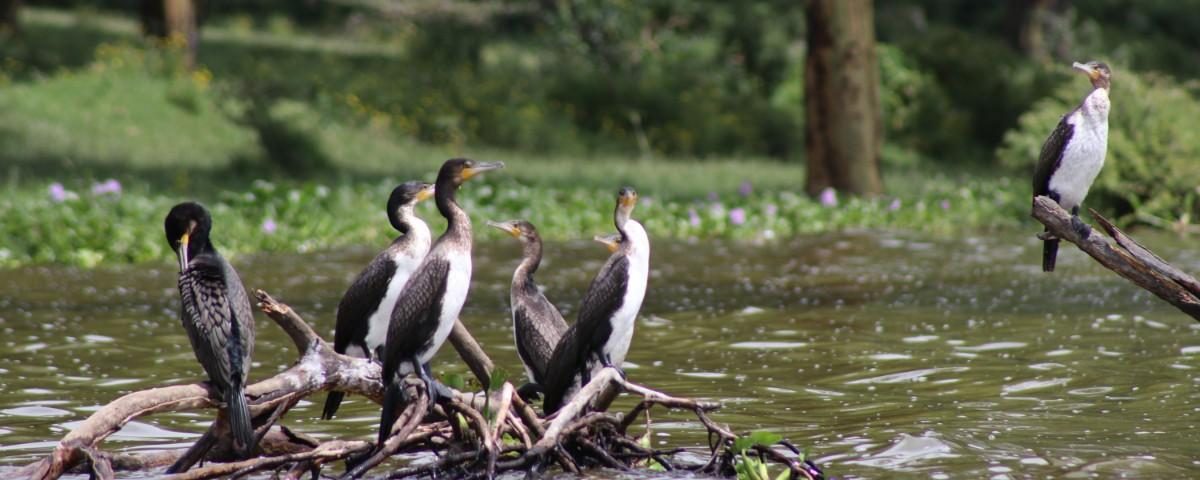
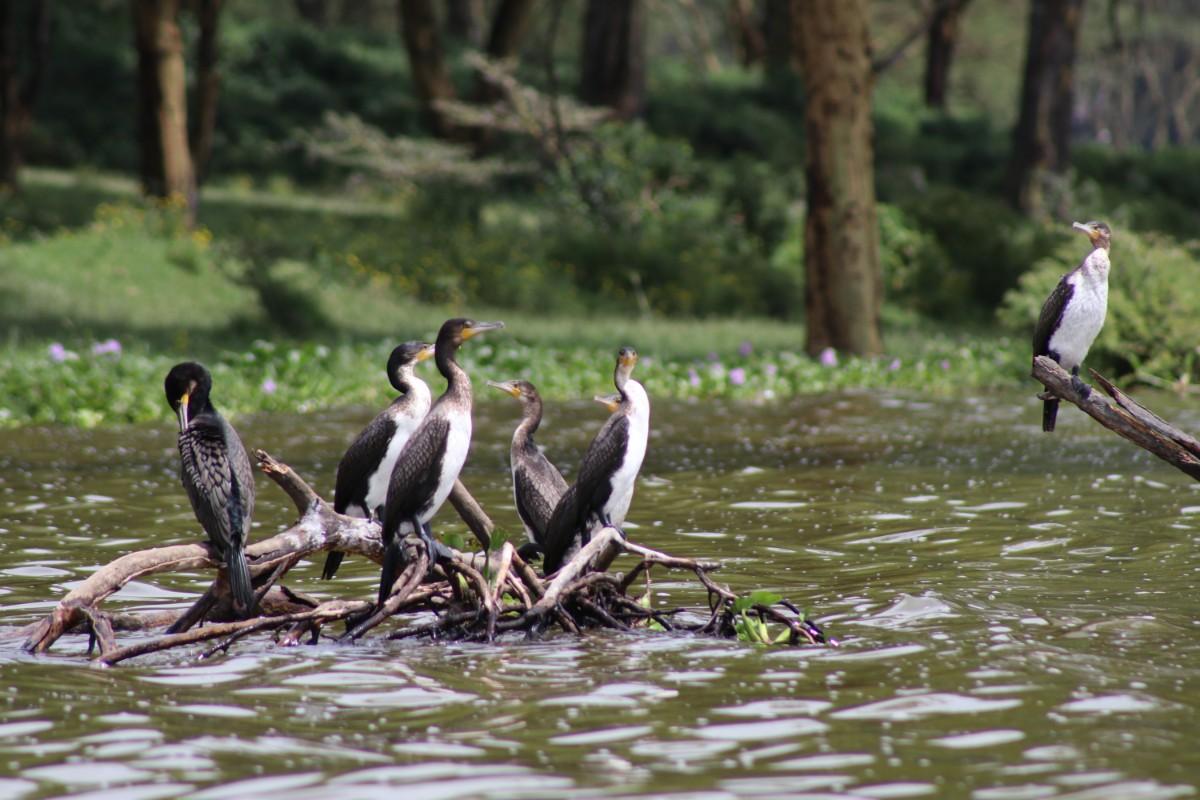
Residents of five districts in the Albertine region have been urged to safeguard wetlands designated as Ramsar sites to ensure their sustainability for future generations.
The call targets communities in Masindi, Buliisa, Kiryandongo, Nwoya, and Pakwach, where key ecosystems form part of the Murchison Falls–Albert Delta Ramsar Site—an internationally recognized wetland system under the Ramsar Convention that includes Murchison Falls National Park and the Albert Nile.
The appeal follows a stakeholders’ meeting held on Wednesday April 1,2026 at the Masindi District Health Office boardroom, organized by Nature Uganda, to review and update the wetland management plan.
Speaking to the media after the meeting, Nature Uganda Executive Director Achilles Byaruhanga said the engagement was aimed at strengthening conservation strategies across the region. He emphasized that wetlands provide vital resources such as water, fish, and sand, warning that their degradation would have serious consequences for surrounding communities.
Byaruhanga added that stakeholders resolved to intensify community sensitization on wetland conservation to safeguard both livelihoods and national revenue.
Wilson Kagoro, a Conservation Officer with the Uganda Wildlife Authority attached to Murchison Falls National Park, said strict enforcement measures—including curbing illegal fishing and hunting—are critical to protecting the Ramsar site. He urged residents to desist from illegal activities in protected areas.
Lilian Kempango, Biodiversity Engineer for Forests and Wetlands at TotalEnergies Uganda, said the company is implementing biodiversity programmes aimed at conserving natural resources and mitigating the effects of climate change.
Meanwhile, Buliisa District Assistant Chief Administrative Officer Samuel Magambo called for the revival of traditional systems of natural resource management to complement modern conservation efforts. He noted that Murchison Falls National Park generates significant revenue for neighboring districts, with Buliisa receiving about one billion shillings annually through the UWA revenue-sharing scheme.
Yusuf Akubonabona, Deputy Chief Administrative Officer of Nwoya District, said the engagement comes at a critical time when the Ramsar site is facing increasing encroachment driven by rapid population growth. He warned that failure to conserve the wetlands could lead to loss of revenue and environmental degradation, despite the country’s continued benefits from the ecosystem through the revenue-sharing programme.
Top of Form
Bottom of Form