- Have any questions?
- +256 750 878872
- info@paidhafm.com


OPPOSITION IN PARLIAMENT RAISES ALARM OVER UGANDA’S DEBT AND BUDGET CHALLENGES

GOVERNMENT URGED TO ACCELERATE OMVURO INDUSTRIAL PARK CONSTRUCTION IN NEBBI
April 7, 2026
BULIISA TOWN COUNCIL PLUNGED INTO WATER CRISIS AFTER MAJOR TANK COLLAPSE
April 8, 2026OPPOSITION IN PARLIAMENT RAISES ALARM OVER UGANDA’S DEBT AND BUDGET CHALLENGES
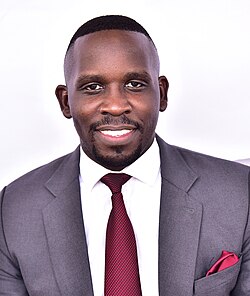
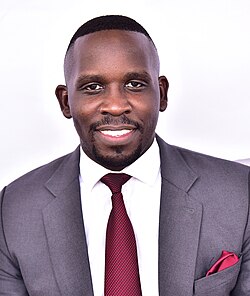
Leader of opposition in parliament Joel Senyonyi
BY ; our reporter
Opposition in parliament has cautioned that the nation’s escalating public debt, combined with inconsistent fiscal objectives and contentious taxation policies, poses a severe risk to the socio-economic stability of the citizenry.
During the presentation of the alternative budget for the 2026/27 fiscal year on Tuesday, April 7, 2026, Leader of the Opposition Joel Ssenyonyi highlighted that a substantial proportion of government expenditure is already earmarked for debt servicing and rigid statutory obligations, leaving minimal fiscal space for discretionary investment.
Joel Ssenyonyi observed that with a national budget surpassing Shs78 trillion, over 50 percent of the allocation is already earmarked for non-discretionary obligations. Consequently, this leaves the government with minimal fiscal space to address urgent requirements in essential sectors such as healthcare, public education, and infrastructure expansion.
“For every Shs 1,000 collected in taxes, more than Shs300 goes straight to lenders,” he said, cautioning that Uganda is increasingly borrowing “not for development, but for survival.”
The opposition asserted that the government faces a significant fiscal bottleneck, with only Shs34.2 trillion—roughly 44 percent of the total budget—available for discretionary spending. They argue that this structural limitation has triggered a visible decline in public service efficacy, the stagnation of essential development projects, and a widening gap in national wealth distribution.
The Leader of Opposition also highlighted a pattern of government-led projects—specifically the Atiak Sugar Factory, Dei BioPharma, the Lubowa International Specialized Hospital, and the Inspire Africa coffee initiative—arguing that these ventures have consumed substantial public resources while failing to yield commensurate economic or social benefits for the Ugandan populace.
He argued that these spending choices reveal serious problems in how the government manages money and decides what is important. He urged officials to stop focusing on flashy, expensive projects and instead prioritize providing basic services that the public actually needs.