- Have any questions?
- +256 750 878872
- info@paidhafm.com


GROUNDED BY THE SKY: LIGHTNING PROTECTION EMERGES AS WEST NILE’S MOST URGENT INFRASTRUCTURE GAP

WETLAND ENCROACHMENT THREATENS UGANDA’S WATER SOURCES, NEMA WARNS
April 28, 2026
KAMPALA HORROR: MAN SENTENCED TO DEATH FOR SLAUGHTER OF FOUR TODDLERS IN NURSERY ATTACK”
April 30, 2026GROUNDED BY THE SKY: LIGHTNING PROTECTION EMERGES AS WEST NILE’S MOST URGENT INFRASTRUCTURE GAP
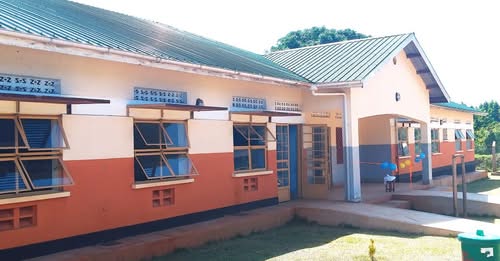
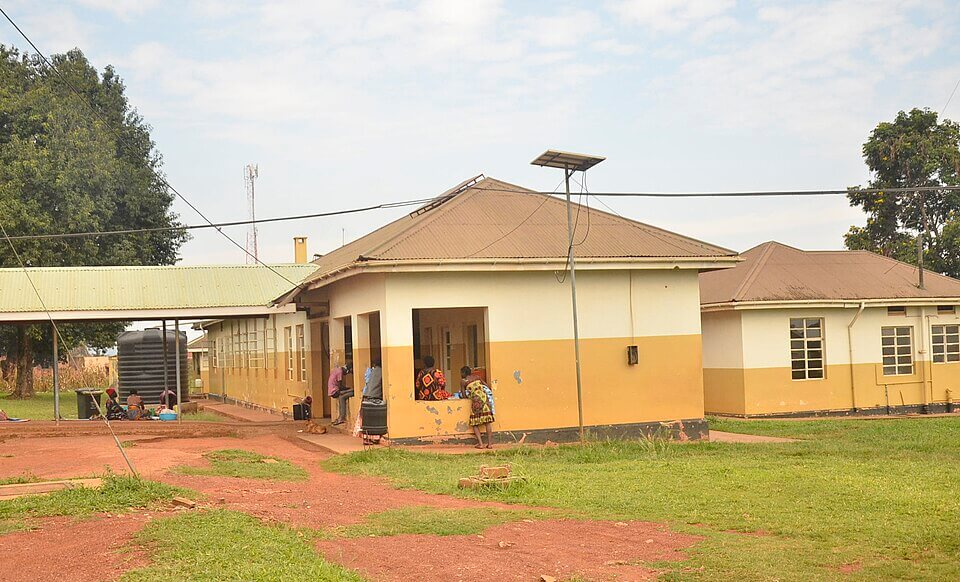
Amwonyu Health Center III, in Aka Sub County, Zombo District.
Editor’s Perspective
BY: Rose Kasigwa
In the highlands of West Nile region , Uganda, the onset of the rainy season brings both promise and peril. For communities in Zombo District and surrounding areas, darkening skies signal hope for agricultural productivity—but also growing fear of lightning strikes that have become increasingly destructive.While global attention remains fixed on climate change, residents of West Nile are grappling with a localized but persistent threat. Lightning is no longer viewed as a routine weather occurrence; it is an escalating humanitarian and development concern.
Infrastructure Under Threat
The impact of lightning is being felt most acutely in critical public infrastructure. In Akaa Sub-County, Amwonyu Health Centre III—established to expand access to healthcare—has faced repeated disruptions after lightning strikes damaged its solar power system. Essential components such as inverters and charge controllers have been destroyed, leaving the facility without reliable electricity during storms. The District Health Officer for Zombo District, Dr. Mark Bramali, has urged authorities to connect the health centre to the national power grid, which runs nearby. He argues that dependence on unprotected solar systems continues to expose vital services to avoidable risk.
Schools Remain Highly Exposed
Educational institutions across the region remain particularly vulnerable. A 2024 lightning incident at Paidha Model Primary School, where 33 people were affected, underscored the scale of the danger facing learners and staff. According to the Uganda National Meteorological Authority, West Nile lies within a high-convection zone prone to intense thunderstorms. Despite this, many schools and community buildings lack functional lightning conductors. In some cases, installed arrestors are poorly maintained or vandalized, leaving structures exposed during peak storm periods.
Dangerous Myths Persist
Efforts to improve safety are further complicated by misinformation. A widely held belief that lightning deposits valuable minerals has led to tampering with lightning protection systems and risky scavenging at strike sites. Local leaders warn that such practices not only undermine safety measures but also place lives at further risk.
A Call for Resilient Development
As the April 2026 rains intensify, experts and local authorities are calling for urgent integration of lightning protection into regional development planning. Key priorities include enforcing building standards that require certified lightning arrestors on all public structures, strengthening energy systems to withstand frequent strikes, and expanding public awareness campaigns on lightning safety.
Policy and Leadership Action Needed
Authorities, including the Zombo District Local Government and the Ministry of Education and Sports, are being urged to treat lightning protection as a public safety emergency. Recommended interventions include conducting nationwide safety audits in schools, reinforcing energy systems in health facilities, and establishing dedicated funding for disaster mitigation infrastructure.
Public Safety Measures
As structural solutions are pursued, residents are advised to adopt basic safety precautions during storms. Experts emphasize seeking shelter immediately when thunder is heard, avoiding isolated trees, staying away from metal objects, and refraining from lying flat on the ground in open areas.
In West Nile, the growing frequency and impact of lightning strikes highlight a critical gap in infrastructure resilience. Until comprehensive protection measures are implemented, communities will continue to face a recurring threat that undermines both safety and development.