- Have any questions?
- +256 750 878872
- info@paidhafm.com


KAMPALA HORROR: MAN SENTENCED TO DEATH FOR SLAUGHTER OF FOUR TODDLERS IN NURSERY ATTACK”

GROUNDED BY THE SKY: LIGHTNING PROTECTION EMERGES AS WEST NILE’S MOST URGENT INFRASTRUCTURE GAP
April 29, 2026
ALUR KINGDOM INTENSIFIES DIASPORA ENGAGEMENT TO BOOST INVESTMENT BACK HOME
May 11, 2026KAMPALA HORROR: MAN SENTENCED TO DEATH FOR SLAUGHTER OF FOUR TODDLERS IN NURSERY ATTACK”
BY: EDITOR
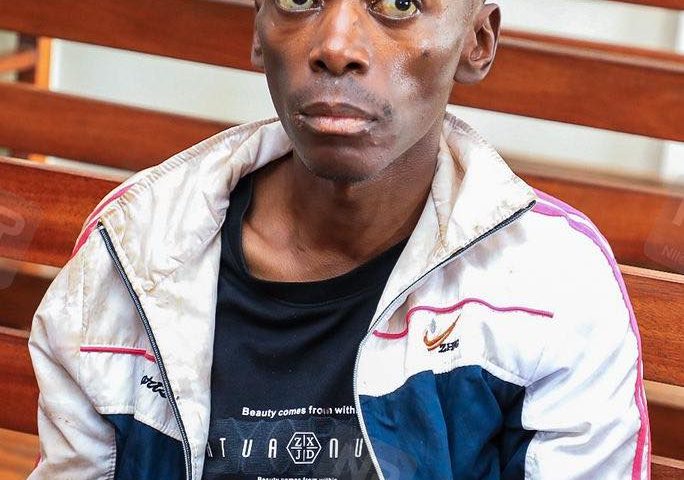
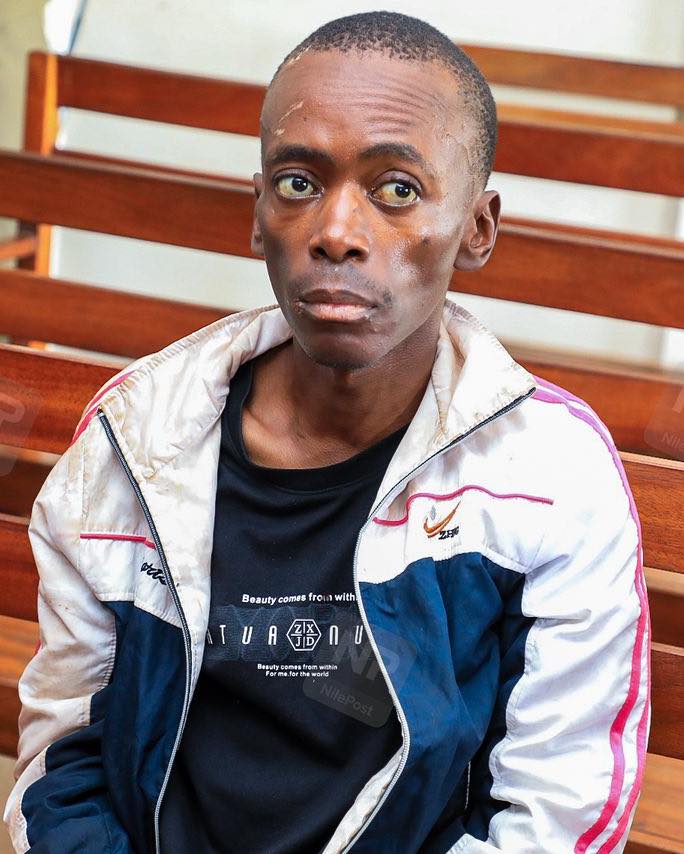
A High Court in Kampala has sentenced 38-year-old Christopher Okello Onyum to death by hanging for the brutal murder of four toddlers at a nursery school in Ggaba, in a case that shocked the nation and raised fresh concerns about child safety and mental health.
The court, presided over by Alice Komuhangi Khauka, found that Onyum unlawfully entered the Ggaba Early Childhood Development Program on April 2, 2026, and fatally stabbed four children aged between one and two years.
Chilling Details of the Attack
According to prosecution evidence, Onyum gained access to the daycare facility during school hours and carried out the attack in a matter of minutes. The victims—described in court as defenseless toddlers—succumbed to multiple stab wounds, sparking widespread grief and outrage across Uganda.
Investigators told court that Onyum initially confessed to the killings, claiming they were part of a ritual “human sacrifice” aimed at acquiring wealth. The claim added a disturbing dimension to the case, highlighting persistent beliefs in ritual practices in some parts of the country.
Insanity Claim Rejected
During the trial, the defence argued that Onyum was mentally ill at the time of the killings and should not be held criminally responsible. However, Justice Komuhangi Khauka ruled that medical and circumstantial evidence showed he was mentally fit and fully aware of his actions.
“The accused acted with intent and understanding of the consequences of his actions,” the judge noted in her ruling, dismissing the insanity defence.
Court Upholds Maximum Penalty
Under Ugandan law, murder carries the maximum penalty of death. Although executions have not been carried out in Uganda for years, courts continue to hand down death sentences in the most serious cases.
In delivering the sentence, the judge emphasized the gravity of the crime, particularly because it involved very young children in what should have been a safe learning environment.
Public Reaction and Wider Concerns
The killings triggered national mourning and renewed calls for tighter security measures in schools and childcare centers. Child rights advocates have urged authorities to strengthen background checks, improve surveillance, and increase community awareness to prevent similar tragedies.
The case also reignited debate around mental health services in Uganda, with experts pointing to gaps in early diagnosis and treatment, as well as the dangers of linking violent crimes to superstition or ritual beliefs.
Right to Appeal
Onyum, who holds dual Ugandan and United States citizenship, has 14 days to appeal the conviction and sentence.
As families of the victims continue to grieve, the case remains one of the most disturbing crimes against children in recent years, underscoring the urgent need for stronger protections in early childhood institutions.