- Have any questions?
- +256 750 878872
- info@paidhafm.com


PRESIDENT MUSEVENI CONDEMNS ALLOWANCE-SEEKING LEADERS, URGES FOCUS ON POVERTY ALLEVIATION

UGANDA COMMEMORATES MARTYRS DAY AT PARISH LEVEL AS CHURCH LEADERS CALL FOR FAITH AMID EBOLA CONCERNS
June 2, 2026
OVER 80% OF PAIDHA RESIDENTS AFFECTED BY WATER SHORTAGE AFTER MAJOR PUMP BREAKDOWN
June 5, 2026PRESIDENT MUSEVENI CONDEMNS ALLOWANCE-SEEKING LEADERS, URGES FOCUS ON POVERTY ALLEVIATION
By: SARAH KIBISI
President Yoweri Kaguta Museveni has expressed strong dissatisfaction with leaders who demand allowances to implement government programs aimed at reducing poverty, describing the practice as “parasitism” and a barrier to service delivery.
“When I hear leaders talking about allowances to get their people out of poverty, I get nausea. Even those who get government allowances do not go to the field. I am sick and tired of that parasitism,” Museveni said.
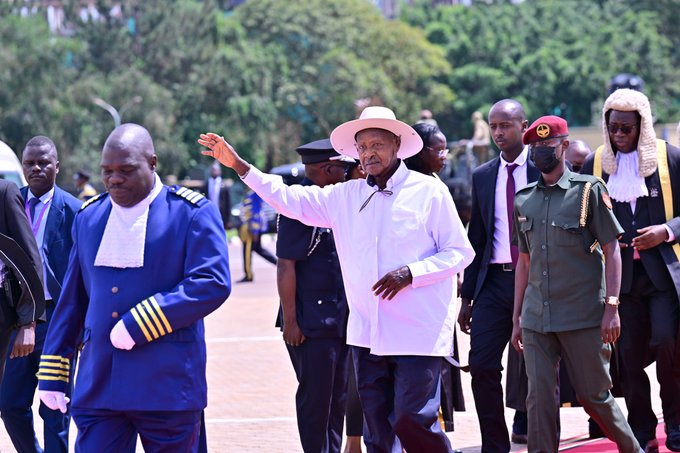
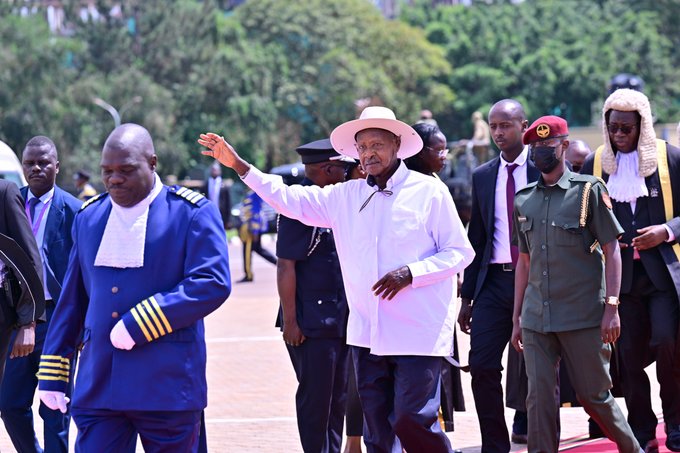
The President made the remarks during the Third Sitting of the 12th Parliament held at Kololo Ceremonial Grounds, where he reiterated his call for accountability and results-oriented leadership under government poverty eradication initiatives, including the Parish Development Model (PDM).
Museveni reminded Members of Parliament that this term should focus on performance, warning against what he termed as non-performing leaders. He stressed that government has invested significant resources at the grassroots level, questioning why poverty still persists in some communities.
“If leaders truly care about the citizens, they should go back to the parishes and ensure accountability for funds like the Parish Development Model,” he added.
His remarks come barely a week after he cautioned leaders during the election of the Speaker at Kololo, warning against laziness and urging greater commitment to improving household incomes.
In his communication to Parliament, the Speaker of Parliament, Jacob Oboth-Oboth, explained that the State of the Nation Address is a constitutional requirement under Article 101(1) of the Constitution of the Republic of Uganda. He noted that the President is mandated to outline government achievements over the past financial year, national challenges, and the legislative agenda for the coming year.
He further emphasized that the address marks the formal opening of each parliamentary session, in line with constitutional provisions.
The ceremony was attended by several senior state officials, including the Chief Justice, Flavian Zeija, and the Inspector General of Police, Abas Byakagaba, among other government dignitaries.