- Have any questions?
- +256 750 878872
- info@paidhafm.com


POOR PDM LOAN RECOVERY IN ZOMBO DISTRICT RAISES CONCERN AMONG MPS

ATYAK RESIDENTS TOLD TO VACATE FOREST RESERVE AREAS
August 24, 2026
ZOMBO EDUCATIONISTS URGED TO STRENGTHEN PROFESSIONAL LEARNING COMMUNITIES IN SCHOOLS
August 26, 2026POOR PDM LOAN RECOVERY IN ZOMBO DISTRICT RAISES CONCERN AMONG MPS
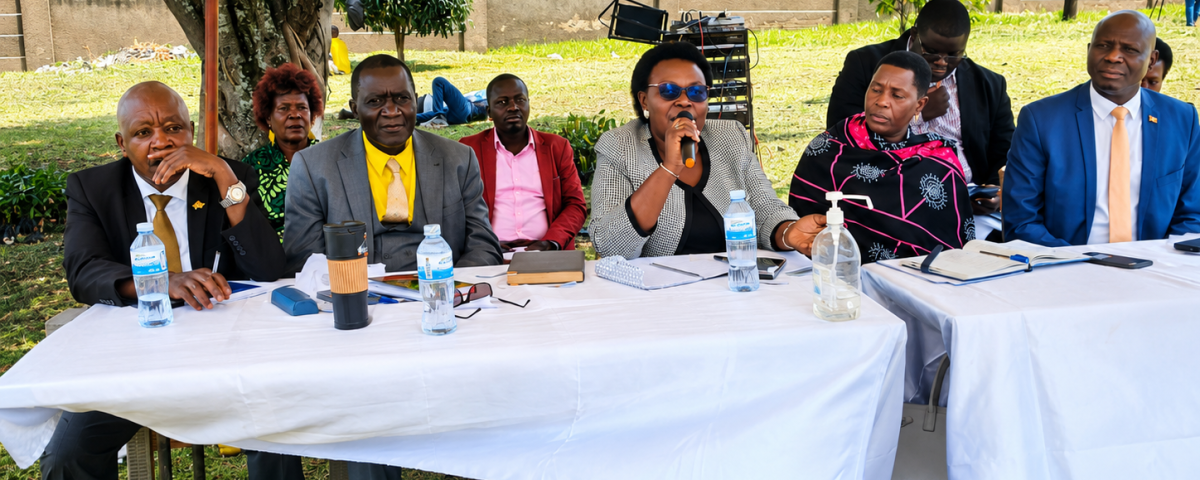
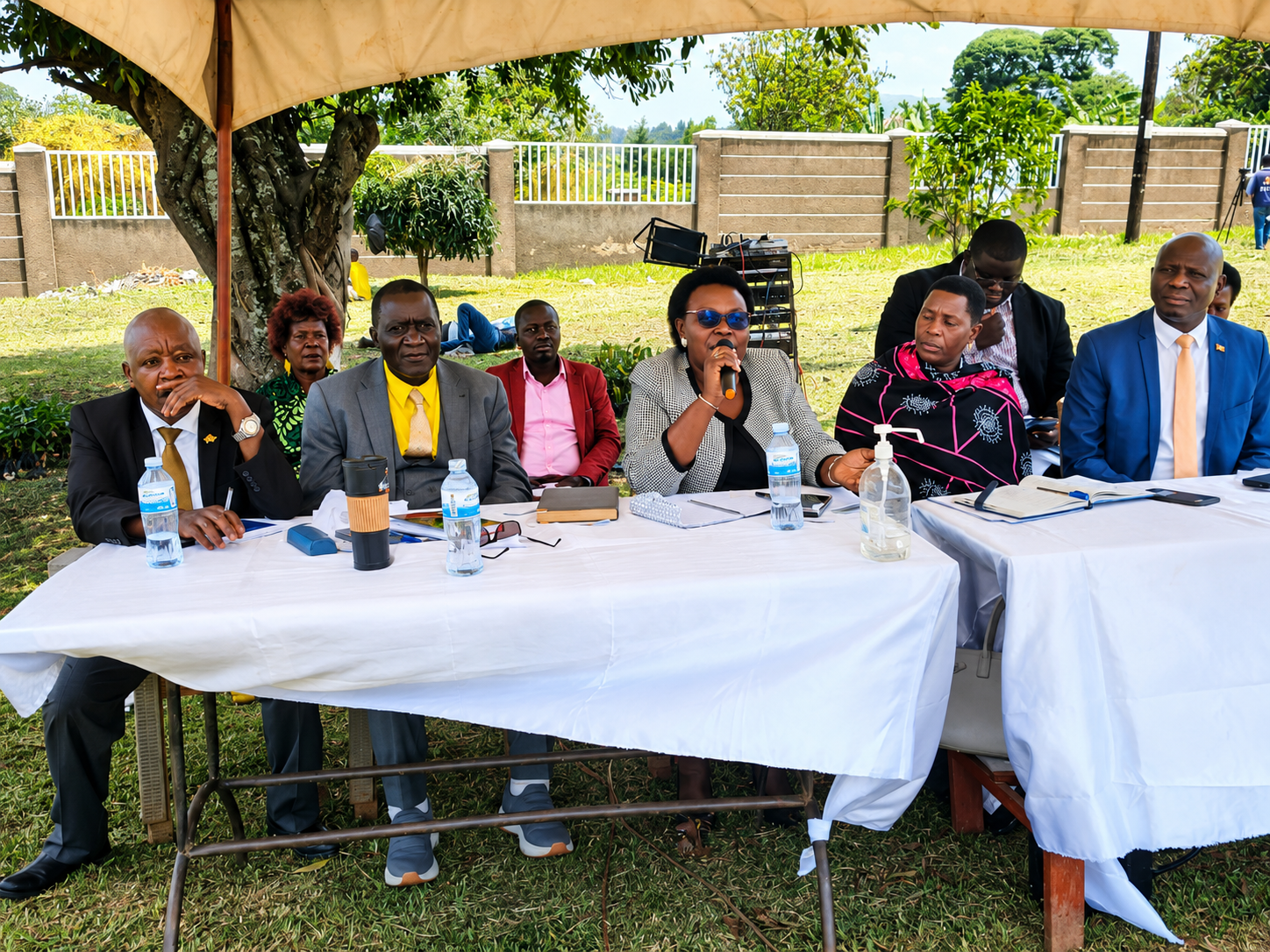
Zombo Legislators; Grace Kwiyuchwiny ( Ora county) , Gabriel Okumu (Okoro) and woman MP,Teopista Achamfua
By: Tasha Giramia
Members of Parliament from Zombo District have raised concern over the slow recovery of funds disbursed to beneficiaries under the Parish Development Model (PDM), warning that poor repayment could undermine the sustainability of the government’s flagship poverty-reduction programme.
The concern was raised during a stakeholders’ meeting convened by the three Zombo legislators at the district headquarters on Monday to review the implementation of PDM in the district.
According to the district PDM focal person, Dr Walter Kumakech, Zombo District has so far received Shs24.0 billion for the programme, of which Shs21.6 billion has been disbursed to 22,263 beneficiary households since the programme was rolled out.
However, Dr Kumakech said only Shs13.5 million has so far been recovered against Shs12.6 billion that is currently due for repayment.
He warned that the extremely low recovery rate could affect the ability of the Parish Revolving Fund to continue supporting other eligible households. “The slow pace of recovery puts government funds at risk and threatens the sustainability of the revolving fund,” Dr Kumakech said.
The Parish Development Model was launched by the Ugandan government in February 2022 as a whole-of-government approach aimed at transforming households from a subsistence economy into the money economy. The programme specifically targets households that remain outside the cash economy and seeks to increase household incomes and improve livelihoods.
At the centre of the programme is the Parish Revolving Fund (PRF) under the financial inclusion pillar. The fund is channelled through PDM SACCOs and is intended to provide affordable investment loans to eligible subsistence households to establish or expand income-generating activities. Government guidelines state that the revolving fund is meant to remain at parish level and be lent to other beneficiaries as earlier borrowers repay.
The programme is implemented through seven interconnected pillars: agricultural value-chain development; infrastructure and economic services; financial inclusion; social services; community mobilisation and mindset change; the parish-based management information system; and governance and administration.
The financial inclusion component is intended not only to provide credit but also to promote savings, financial literacy, insurance, business development and market linkages among beneficiaries.
Zombo legislators have now called for stronger supervision of beneficiaries by PDM SACCOs, parish-level structures and local government authorities to ensure that funds are invested in viable economic activities and that beneficiaries honour their repayment obligations.
They also urged beneficiaries to treat the PDM funds as a revolving loan rather than a government grant, saying failure to repay denies other households an opportunity to benefit from the programme.
The MPs further called for closer monitoring of the businesses and projects established with PDM funds and improved financial guidance for beneficiaries to increase the chances of successful enterprises and loan recovery.
The concerns in Zombo come amid wider national discussions over PDM loan recovery. Government has continued to emphasise accountability and recovery of the Parish Revolving Fund because its sustainability depends on the money circulating among eligible households. By the end of the 2024/25 financial year, government reported that Shs3.26 trillion had cumulatively been transferred to 10,589 PDM SACCOs across the country.
The government has also instructed local authorities to strengthen monitoring of PDM implementation and warned against fraud, extortion and manipulation of the beneficiary selection and loan processes.
For Zombo, the legislators say improving loan recovery will be critical if the programme is to achieve its intended objective of increasing household incomes, promoting local economic activity and moving more families from subsistence into the money economy.