- Have any questions?
- +256 750 878872
- info@paidhafm.com


DPP ANGUZU CALLS FOR FASTER JUSTICE IN KIRYANDONGO REFUGEE SETTLEMENT

PEARL BANK LOAN BOOK SURPASSES UGX 1 TRILLION AS AGRICULTURE DRIVES GROWTH
September 2, 2026DPP ANGUZU CALLS FOR FASTER JUSTICE IN KIRYANDONGO REFUGEE SETTLEMENT
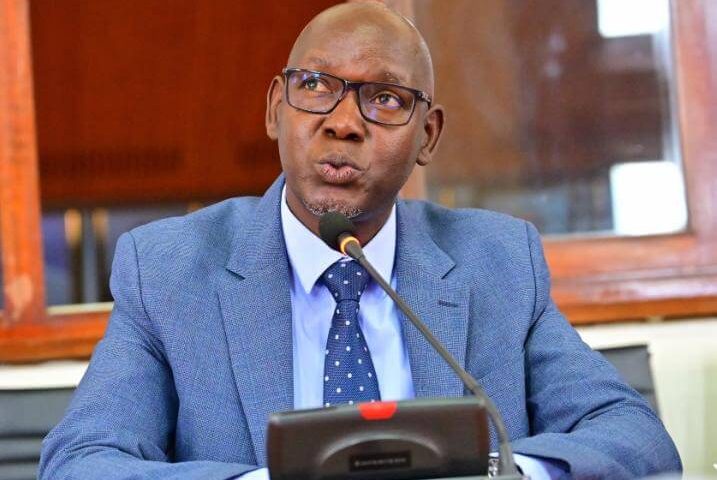
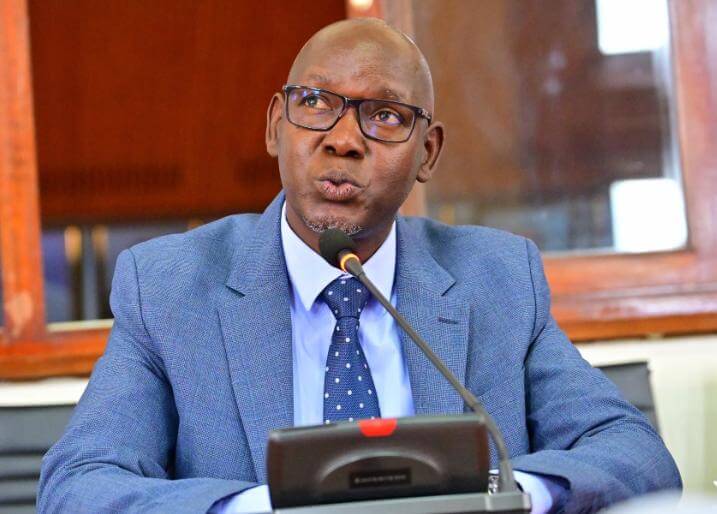
Director of Public Prosecutions Lino Anguzu
By: Our Reporter
Director of Public Prosecutions Lino Anguzu has urged refugees and residents of Kiryandongo to comply with Ugandan laws and work closely with justice institutions to help speed up the resolution of criminal cases.
Anguzu made the remarks on Tuesday during a Mobile Court session at Kiryandongo Refugee Settlement, where a number of criminal cases were concluded through plea-bargaining.
The Mobile Court is an initiative of the Refugee Law Project, with support from the Government of the Kingdom of the Netherlands, aimed at taking justice services closer to refugees and other vulnerable people who may struggle to access formal courts because of financial, geographical and other challenges.
Anguzu said delays in disposing of criminal cases can undermine the rights of both victims and accused persons, and called for greater cooperation among communities and justice institutions.
He encouraged accused persons who qualify to make use of plea bargaining, a legal process through which an accused person may plead guilty in return for an agreed resolution of the case.
According to Anguzu, wider use of plea bargaining could reduce the time required to conclude criminal matters and ease pressure on the country’s criminal justice system.
He proposed increasing plea-bargaining sessions in Kiryandongo from the current two to four every year as one way of tackling the growing backlog of cases.
However, the DPP warned accused persons against accepting plea bargains simply because they want to secure their release from prison.
He stressed that suspects who maintain their innocence should instead proceed to a full trial to have their cases determined through the normal court process.
Several cases were concluded during the Mobile Court session.
Wadi Bosco was convicted and sentenced to 18 months in prison after pleading guilty to defilement of a 15-year-old girl.
In another case, Rwamita Alex was sentenced to 12 months in prison for manslaughter arising from the death of her husband during a domestic altercation on May 29, 2026. Court evidence indicated that the deceased suffered fatal injuries during the confrontation.
The size of the refugee population in Kiryandongo continues to put pressure on justice and other public services.
Kiryandongo Refugee Settlement Commandant Vincent Amaruma Mariza said the settlement is currently hosting about 170,000 refugees from 15 countries.
He said the Mobile Court has helped reduce the burden of travelling to the main court while also giving refugees a better understanding of court procedures and their legal rights.
Amaruma, however, raised concern over the limited number of prosecutors serving the area, saying the large refugee population and increasing number of cases require more justice personnel.
He explained that inadequate resources have also made it difficult to regularly transport refugees to the main court in Kiryandongo, making the Mobile Court an important alternative for delivering justice closer to the community.
The stakeholders say continued cooperation between the Office of the Director of Public Prosecutions, the Judiciary, the Refugee Law Project, district authorities and development partners will be important in addressing case backlogs and improving access to justice for vulnerable communities.