- Have any questions?
- +256 750 878872
- info@paidhafm.com


CULTURAL LEADERS CALL FOR REVIVAL OF ALUR FIRESIDE GATHERINGS TO CURB TEENAGE PREGNANCIES

BULIISA TO DEMARCATE 104KM OF WETLANDS TO CURB ENCROACHMENT
September 25, 2026CULTURAL LEADERS CALL FOR REVIVAL OF ALUR FIRESIDE GATHERINGS TO CURB TEENAGE PREGNANCIES
By: Ibra Adubango
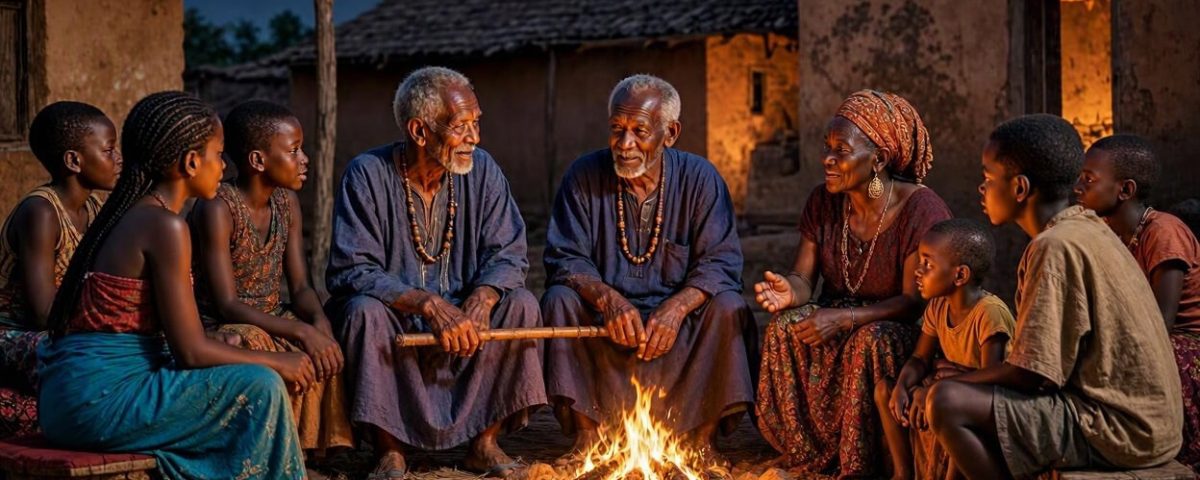
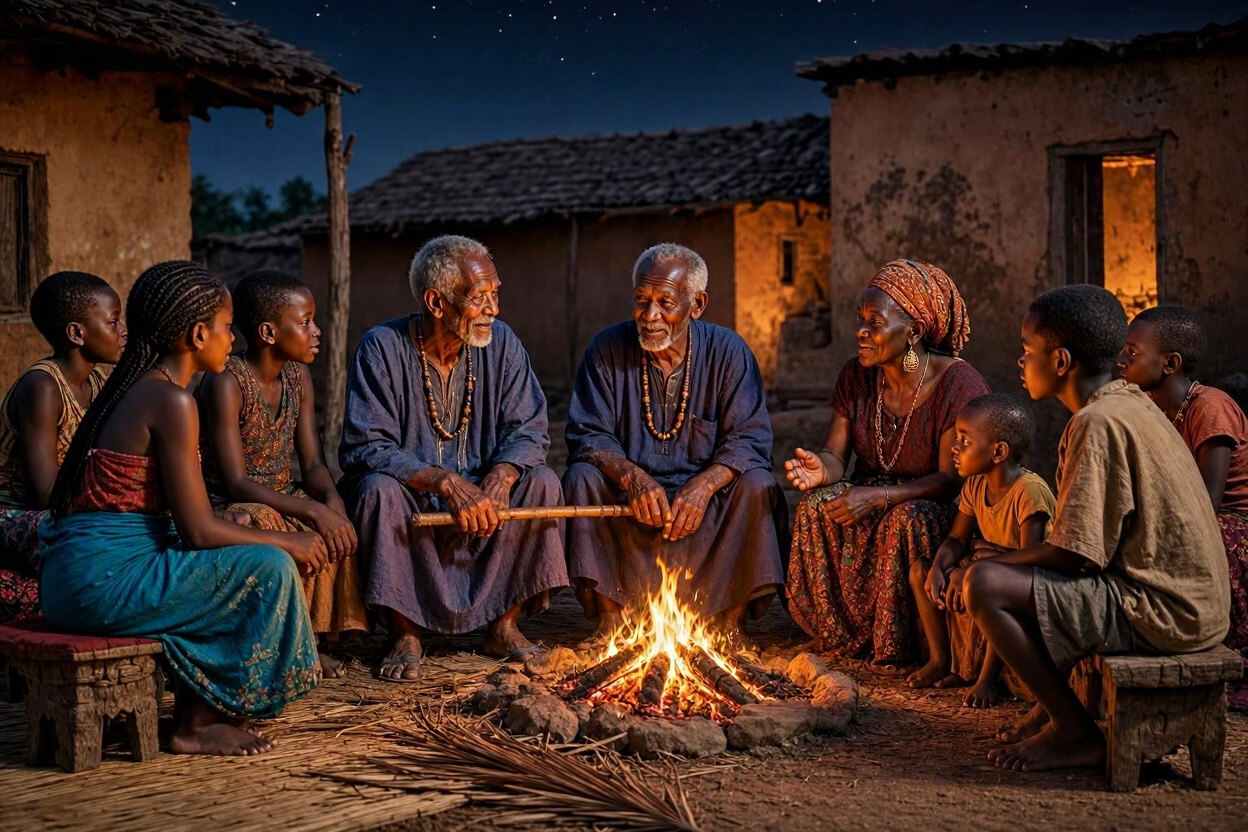
Cultural leaders in the Greater Nebbi region are calling for the revival of traditional youth fireside gatherings as part of efforts to address teenage pregnancy and promote responsible behavior among young people.
The call was made during a youth fireside conversation, locally known as “Kaoi Pa Aradu,” held in Pawong Chiefdom, Pawong Pidda Cell in Central Division, Nebbi Municipality.
The Alur Kingdom Deputy Prime Minister, Vincent Ocaya Orach, said reviving the traditional gatherings could provide young people with an opportunity to learn from elders about relationships, sexuality, cultural values and responsible behavior.
Ocaya said Alur elders to guide the younger generation on cultural and moral values traditionally used the Kaoi Pa Aradu, which means the gathering of young people around a fireside.
He attributed the decline of the practice to cultural erosion and called for its revival to provide young people with guidance on issues affecting their lives.
“Kaoi Pa Aradu was an important platform where elders guided young people on cultural values, relationships and responsible behavior. We need to revive it,” Ocaya said.
Justino Opar, the Chief of Kaal Pawong, said the traditional gatherings should be encouraged because they create an opportunity for elders and young people to sit together and discuss issues affecting the community.
He said such conversations can help bridge the gap between generations and strengthen cultural values among young people.
Onyuthi Brian, a youth participant, criticized some parents for failing to provide adequate guidance to their children, saying parents have an important role to play in helping young people understand and uphold Alur cultural values.
Meanwhile, Japemo Roney, the LC4 Chairperson of Central Division in Nebbi Municipality, said the revival of Kaoi Pa Aradu could help restore the sense of unity and togetherness that characterized traditional Alur communities.
He described the fireside gatherings as a reminder of how communities previously used traditional platforms to promote social cohesion and pass knowledge from one generation to another.
The cultural leaders urged parents, elders and cultural institutions to work with young people to revive the gatherings while adapting them to address contemporary challenges, including teenage pregnancy and other social concerns affecting adolescents.