- Have any questions?
- +256 750 878872
- info@paidhafm.com


BIOGAS: A GAME CHANGER IN ADDRESSING CLIMATE CHANGE IN WEST NILE

POLICE ADVISE PUBLIC TO TAKE LAND DISPUTES TO COURTS
March 31, 2026
PANYIMUR SECURITY WARNS OF FRAUDSTERS TARGETING FARMERS, VENDORS
April 2, 2026BIOGAS: A GAME CHANGER IN ADDRESSING CLIMATE CHANGE IN WEST NILE
BY ; Orachwun Ronald
The growing climate crisis is forcing communities across the globe to rethink everyday practices—including how they cook their food. In Uganda, traditional cooking methods that rely heavily on firewood and charcoal are now at the center of debates on environmental conservation and climate change.
According to a review by Modern Energy Cooking Services, about 73% of Ugandan households depend on firewood while 21% rely on charcoal for cooking. This translates to approximately 94% of households depending on biomass fuels, placing immense pressure on the environment.
In the West Nile sub-region, the impact is already visible. Deforestation, erratic weather patterns, and prolonged dry spells have made firewood increasingly scarce, leaving many rural households struggling to prepare meals.
A daily struggle for survival
For residents like Awacango Caro, a mother of seven from Messi Lower Village in Erussi Sub-county, Nebbi District, the search for firewood once defined daily life. “My home struggled to have three decent meals a day—not because we lacked food, but because we couldn’t access firewood,” she said. “We walked long distances to collect it, exposing ourselves to dangers like snake bites. At one point, my daughter was nearly attacked while out looking for firewood.”
Like many families, Awacango’s household cut down between five to seven trees each month for cooking fuel—a practice she admits contributed to environmental degradation.“There were times I felt guilty cutting down trees, but we had no alternative. It was the only way to survive,” she added.
Beyond environmental damage, the search for firewood has also been linked to rising cases of gender-based violence (GBV). Police records indicate that 5,372 GBV cases were reported in West Nile in 2021, most affecting women and girls. Many incidents occur while they search for firewood in remote areas.
Data from the Human Rights Clinic at Life Concern in Zombo District further shows that 134 GBV cases were recorded between January 2022 and April 2024 in the greater Nebbi area.
The Food and Agriculture Organization (FAO) attributes these challenges to overdependence on wood fuel, which not only accelerates environmental destruction but also exposes communities to social risks.
A shift toward clean energy
In 2021, FAO introduced flexible biogas systems in West Nile as part of efforts to promote clean energy and reduce deforestation. Awacango was among the beneficiaries.
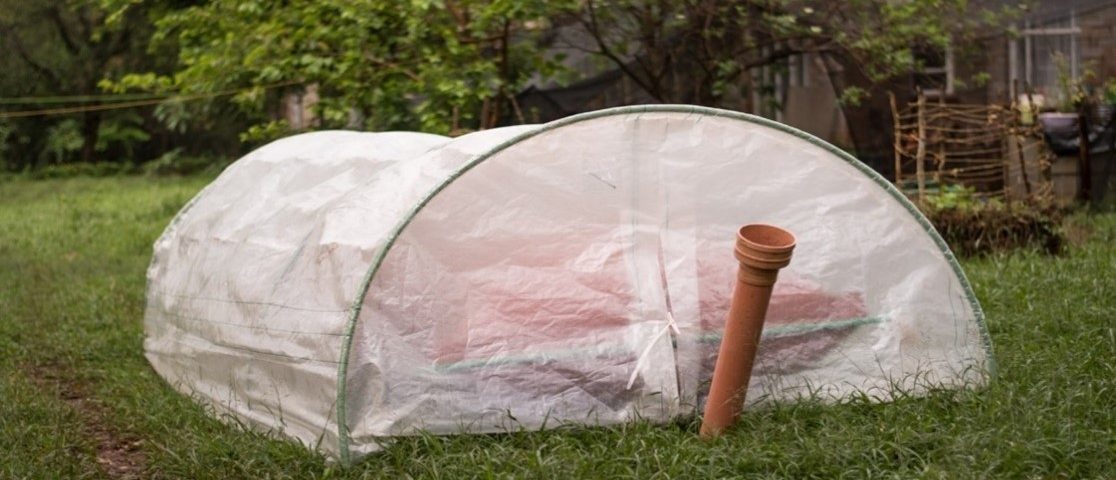
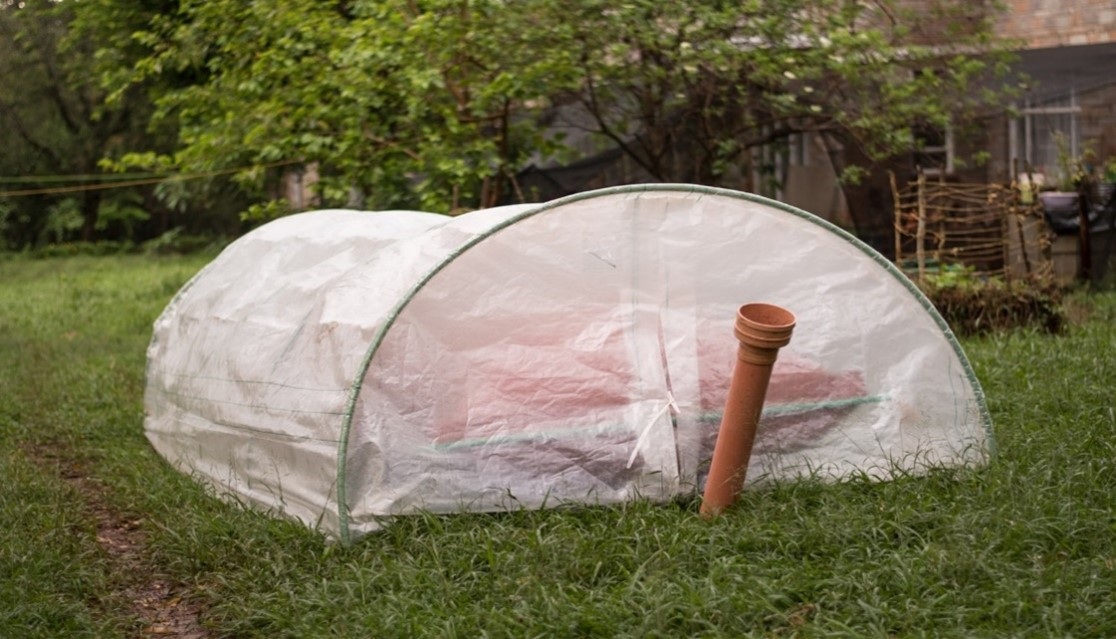
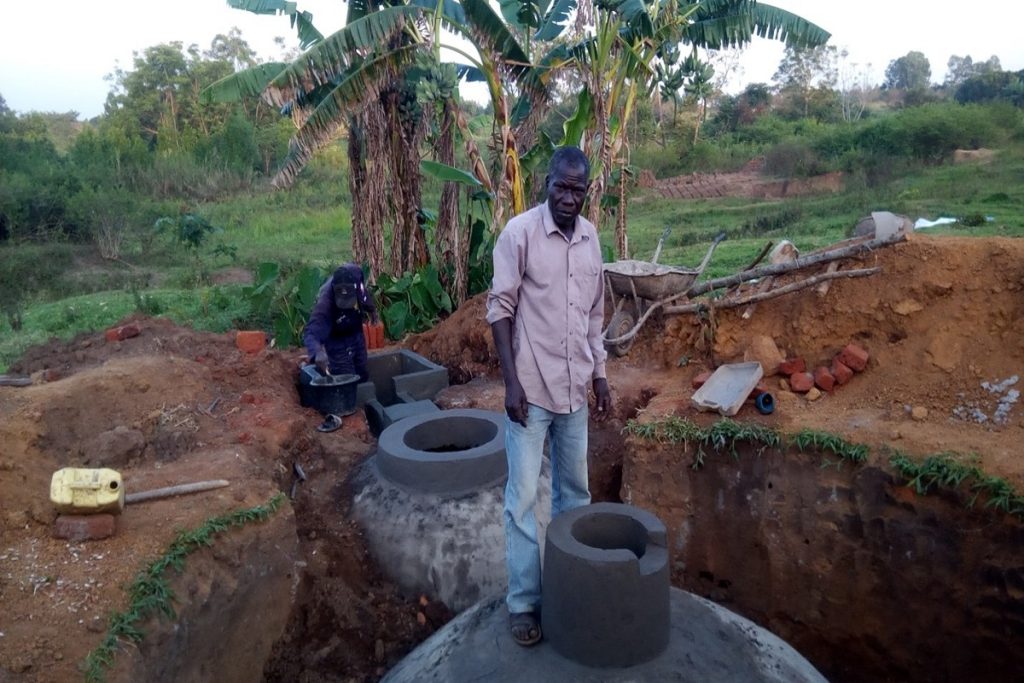
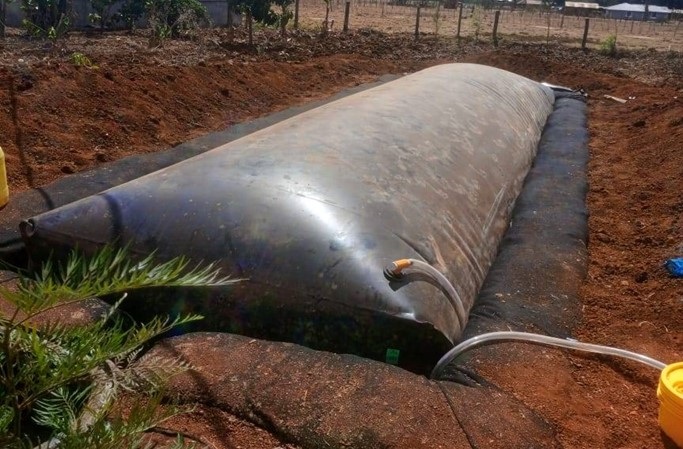
Under the Climate Resilient Livelihood Opportunities for Women Economic Empowerment Project, FAO installed a six-cubic-meter biogas system at her home—capable of cooking three meals a day for a family of up to nine people.Larger systems of up to nine cubic meters have also been introduced to serve bigger households.
These systems use organic waste such as animal manure, poultry droppings, and food residues like banana and pineapple peelings to generate energy Today, Awacango’s life has significantly improved. “I used to spend about 100,000 shillings on charcoal every month. Now I spend only around 20,000 shillings and invest the rest in farming,” she explained. “My kitchen is cleaner, and the smoke is gone. Cooking is now faster and safer—even my children can prepare simple meals.”
Experts call for wider adoption
Experts say bio gas technology remains underutilized despite its potential. Opio Tonny, Monitoring and Evaluation Officer at the Agency for Community Empowerment (AFCE), notes that many farmers are unaware of the value of agricultural waste. “Animal droppings and farm residues are often wasted, yet they can generate energy and improve soil fertility,” he said. “The challenge is limited awareness and lack of training on how to use bio gas systems.” He added that biogas can significantly reduce methane emissions—a potent greenhouse gas—and help communities transition to sustainable energy.
Institutions leading by example
At Acres of Hope School in Nebbi Municipality, bio gas technology is already transforming operations. The school, which keeps about 22 cows, uses animal waste and kitchen residues to fuel its bio gas plant, installed in 2020. Deputy Head teacher Jakuma Stephen says the system has drastically reduced energy costs. “Previously, we spent about 1.5 million shillings per term on firewood. Now we spend only around 500, 000,” he said. “Most of our meals are prepared using bio gas, which is faster, cleaner, and more efficient.” The initiative has also improved sanitation, as waste is now effectively managed.
Blending indigenous knowledge with innovation
Local leaders say bio gas builds on traditional practices. Aneniu Patrick, Production Officer in Zombo District, recalls how communities historically used dried cow dung for cooking. “Today, that same knowledge is being modernized through bio gas technology,” he said. “People are realizing that cutting trees is unsustainable, and alternatives exist.”
Government steps in
The Ugandan government is also promoting clean cooking solutions. Energy Minister, Ruth Nankabirwa has warned against continued deforestation and emphasized the need for alternative energy sources. Under the Sustainable Energy Development Programme, Uganda aimed at increasing clean cooking access from 15% in 2018/19 to 50% by 2024/25.Additionally, plans are underway to expand access to liquefied petroleum gas (LPG), particularly for low-income households.
However, energy experts warn that current biomass supply—estimated at 26 million tons annually—meets only 59% of the national demand, highlighting the urgency for alternative solutions.
Bio gas and climate change
Bio gas is increasingly recognized as a climate-friendly energy source. Produced through anaerobic digestion of organic waste, it generates methane and carbon dioxide that can be used for cooking and heating.
Unlike fossil fuels, bio gas is considered carbon-neutral because it recycles carbon already present in the environment rather than introducing new emissions. More importantly, it helps capture methane that would otherwise escape into the atmosphere—a gas up to 34 times more potent than carbon dioxide in trapping heat. By converting waste into energy, biogas not only reduces greenhouse gas emissions but also improves sanitation and soil health.
A sustainable path forward
While challenges remain—particularly around awareness, cost, and access—bio gas is emerging as a practical and sustainable solution for rural communities in West Nile.
For families like Awacango’s, it is more than just a source of energy—it is a pathway to safer living, environmental conservation, and economic resilience. As Uganda continues to battle climate change, bio gas may well prove to be one of the country’s most effective tools in securing a cleaner and more sustainable future.