- Have any questions?
- +256 750 878872
- info@paidhafm.com


ALUR CULTURAL LEADERS URGED TO STEP UP HIV PREVENTION EFFORTS

PAIDHA MOURNS JESSE OKWEDA, BUSINESSMAN WHO INVESTED IN EDUCATION AND COMMUNITY
September 14, 2026
ZOMBO AUTHORITIES INVESTIGATE ALLEGED TAKEOVER OF COMMUNITY BOREHOLE
September 16, 2026ALUR CULTURAL LEADERS URGED TO STEP UP HIV PREVENTION EFFORTS
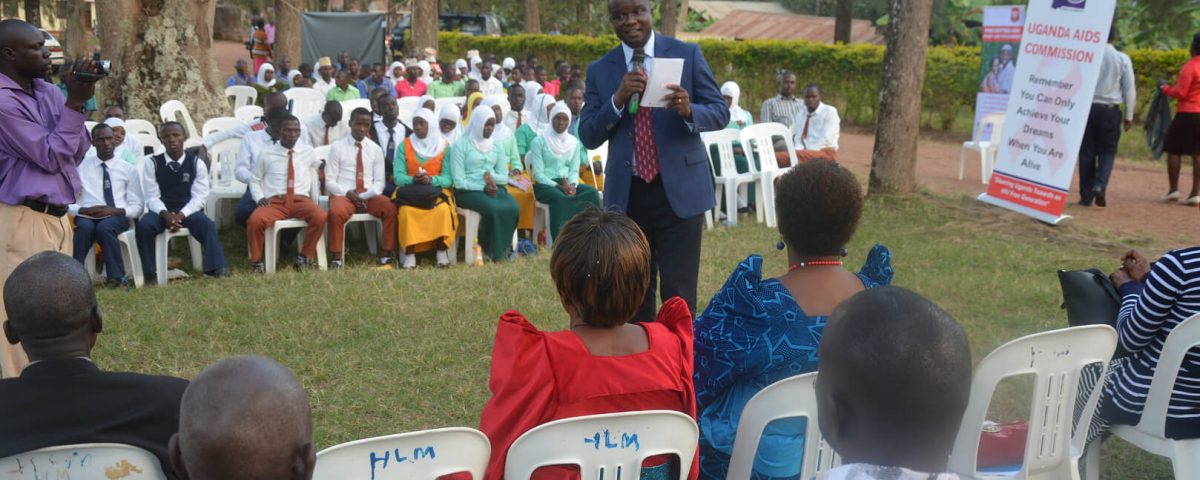
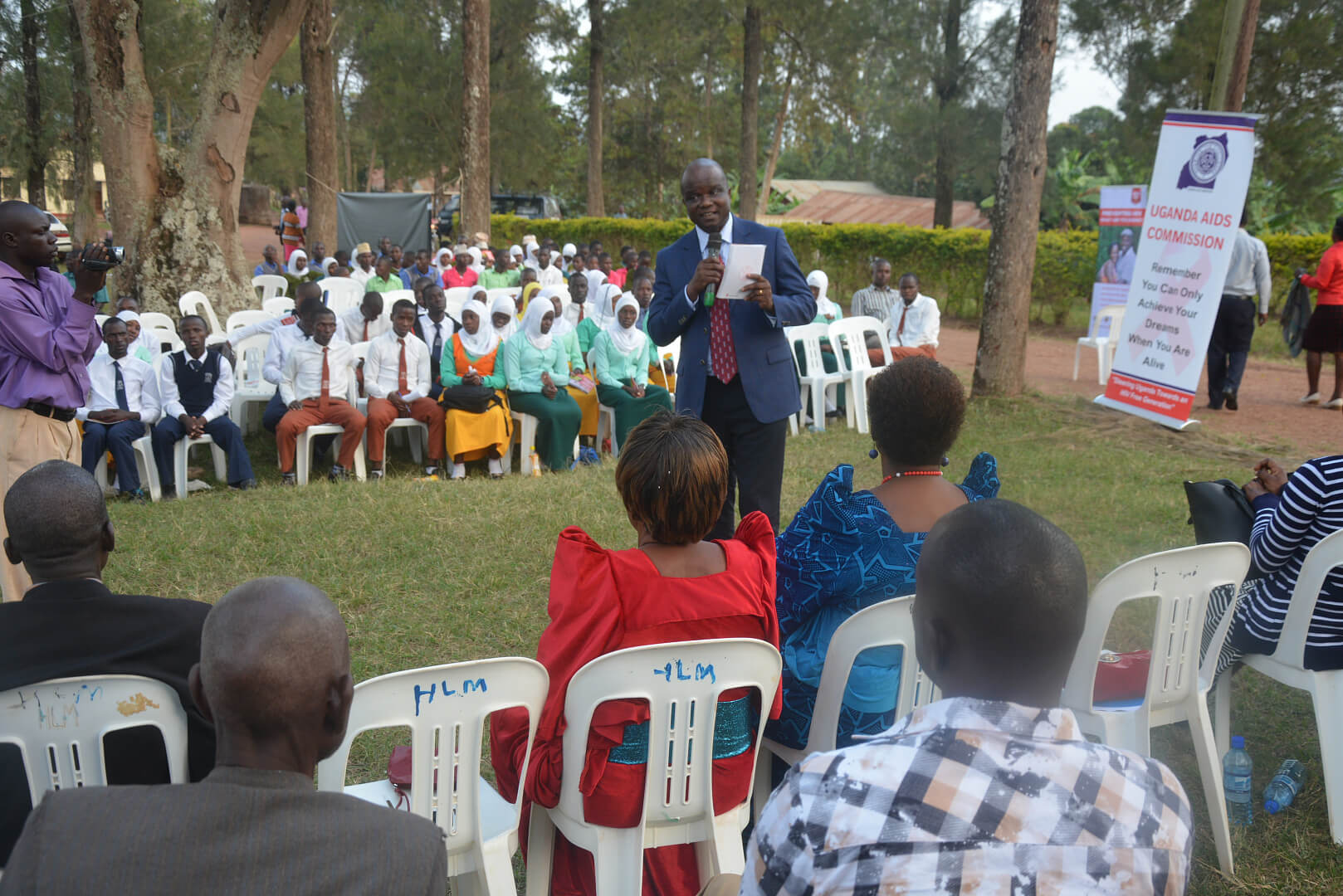
Photo Credit:Uganda Aids Commission
By: Our reporter
Cultural leaders in the Alur Kingdom have been urged to make HIV prevention and control a key part of their community activities as Uganda continues to confront the spread of the virus.
The call was made by Hope Murungi, Uganda AIDS Commission coordinator for the private sector, during an engagement with stakeholders in Nebbi Municipality. Murungi said cultural institutions have a unique opportunity to reach communities with HIV prevention messages because of the influence they wield over social norms, traditions and community behaviour.
She urged cultural leaders to use their platforms to mentor community leaders and other stakeholders, promote accurate HIV information and encourage people to take preventive measures, including HIV testing and early treatment.
According to the Uganda AIDS Commission, cultural and religious leaders can play an important role in the national HIV response by mobilising communities, influencing social norms and helping address practices and beliefs that may increase vulnerability to HIV. Their involvement can also help reduce stigma and discrimination against people living with HIV, which remain barriers to testing, treatment and disclosure.
The Deputy Prime Minister of the Alur Kingdom, Vincent Orach Ocaya, called for stronger collaboration between the Uganda AIDS Commission, cultural institutions and local governments to ensure HIV interventions reach communities at the grassroots.
Ocaya said a coordinated approach would enable cultural leaders to complement the work of health authorities by using existing community structures to promote HIV awareness, prevention and access to services.
Collins Canudwoga, chairperson of the Zombo District Forum for People Living with HIV, also participated in the engagement, which brought together stakeholders to discuss ways of strengthening the community response to HIV.
The latest Uganda AIDS Commission HIV estimates show that the burden of HIV varies considerably across the country. The 2025 UAC fact sheet puts HIV prevalence at 7.5 percent in the Central region and 7.0 percent in the Acholi sub-region, compared with 2.3 percent in West Nile and 1.4 percent in Karamoja.
Although West Nile’s prevalence is lower than that of some other regions, health authorities continue to emphasise the importance of sustained prevention, testing, treatment and community awareness to prevent new infections and maintain progress against the epidemic.
The stakeholders have therefore called for HIV interventions to go beyond health facilities and be integrated into community institutions, including cultural kingdoms, where leaders can influence attitudes and encourage communities to seek information and services.
For the Alur Kingdom, the call presents an opportunity for the cultural institution to use its traditional leadership structures not only to preserve culture but also to support public-health initiatives affecting the wellbeing of its subjects.