- Have any questions?
- +256 750 878872
- info@paidhafm.com


ALUR KINGDOM CALLS FOR TRADITIONAL JUSTICE TO RESOLVE LAND CONFLICTS

KING OYO’S REMAINS ARRIVE IN UGANDA AS TOORO BEGINS NINE-DAY MOURNING
September 4, 2026NATURE UGANDA, TOTALENERGIES PARTNER TO PROTECT MURCHISON FALLS–ALBERT DELTA WETLAND
September 7, 2026ALUR KINGDOM CALLS FOR TRADITIONAL JUSTICE TO RESOLVE LAND CONFLICTS
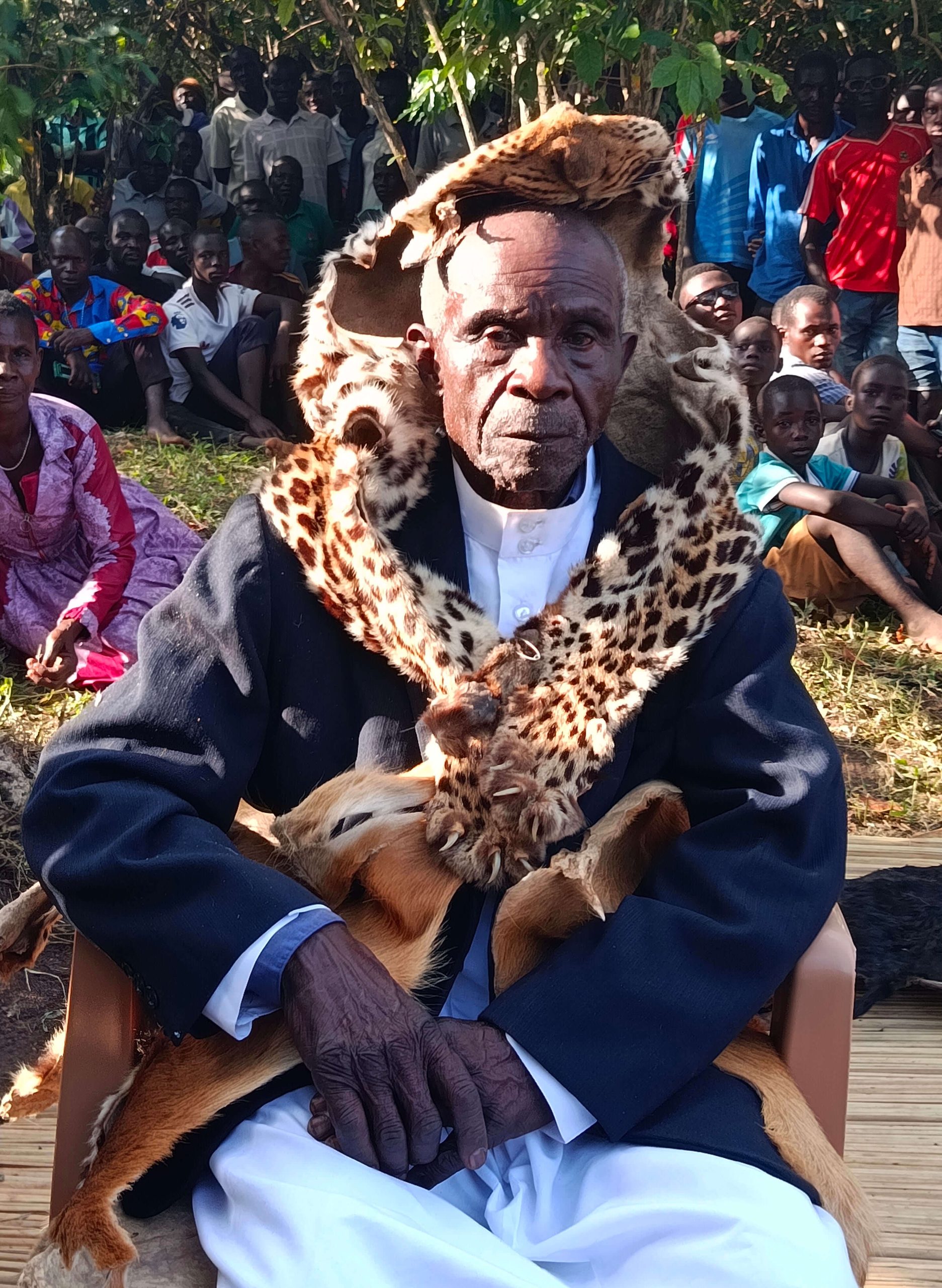
The newly enstooled chief of kaal Lengi, Rwoth Thowarac Samuel Cimvor IV
By: Brenda Achen
The Alur Kingdom has called on its subjects to embrace traditional and alternative dispute resolution mechanisms to settle land wrangles and other community conflicts, saying the approach can restore peace while reducing the burden on formal courts.
The call was made on Friday, September 4, 2026, by the Prime Minister of the Alur Kingdom, Prince Lawrence Opar Angala, during the enstoolment of Thowarac Samuel Cimvor IV as the traditional chief of Acer Chiefdom at Kaal Lengi Acer in Ndhew Sub-county, Nebbi District.
The ceremony also marked the end of a longstanding dispute over the leadership of Kaal Lengi, with Roy Odongo installed to serve as Prime Minister of the chiefdom.
Prince Opar said the increasing number of land disputes in the community requires traditional institutions to play a greater role in mediation, particularly where conflicts can be resolved through established customs, norms and ancestral traditions.
He said the Alur Kingdom has extensive knowledge of traditional land boundaries and urged communities to consider mediation before resorting to lengthy court battles.
“All of these conflicts are peacefully settled through traditional ancestral reviews, strategic mediation led by the Prime Minister and royal council, and the foundational framework of the Alur Traditional Justice System,” Jadipu said.
According to Prince Opar, alternative dispute resolution can save communities time and money associated with prolonged litigation, reduce hostility and preserve relationships among families and neighbours.
He also said traditional mediation could contribute to reducing the workload faced by Uganda’s formal justice system.
The call comes amid concerns over the country’s growing court case backlog. The 2025 National Court Case Census, according to figures cited during the event, indicates that more than 167,000 cases remain pending across Uganda, placing significant pressure on the judiciary.
Prince Opar further cautioned community members against what he described as “witch-hunting”, warning that accusations and retaliatory actions can deepen conflicts instead of resolving them.
He said some of the disputes affecting communities today have their roots in disagreements dating back to previous generations, making dialogue and mediation important in finding lasting solutions.
Acer Chiefdom Recognised in Alur Traditional Structure
Prince Opar also confirmed that Acer Chiefdom is officially registered as a member of the Ker Alur Council of Chiefs, a development that gives clan members a formal basis to recognise the new leadership and strengthen cooperation for community development.
Speaking on behalf of the Alur King, Jadipu conveyed the monarch’s message calling on subjects to embrace peace, unity, love and development.
He urged the people of Acer Chiefdom to work together and ensure that traditional leadership contributes to the social and economic wellbeing of the community.
Alur Kingdom Targets Youth Drug Abuse
The Prime Minister also revealed that the Alur Kingdom is preparing for inter-kingdom competitions aimed at addressing the growing challenge of drug abuse among young people.
He warned that substance abuse can have serious consequences for young people’s health, education, relationships and future prospects.
“Drug abuse has severe effects on youth, disrupting their growth and future. It can impair brain development, leading to memory loss and poor decision-making. Additionally, drug abuse often causes emotional instability, making it difficult for young people to manage their emotions and maintain healthy relationships,” he said.
The planned activities are expected to use cultural and sporting engagement as part of broader efforts to keep young people active and discourage them from substance abuse.
Acer Chiefdom’s Cultural Structure
Acer Chiefdom brings together seven distinct Kwai Acer pa Malanga clans: Acer (Kwai Odero), Palyech (Kwai Lyech), Padolo (Kwai Kalanja), Pagwinya (Kwai Gwinya), Payera (Kwai Olwiny), Pangere (Kwai Oyiro) and Pacaka.
The Alur Kingdom is the traditional cultural institution of the Alur people, a Western Nilotic Luo community whose traditional territory extends across north-western Uganda, particularly Zombo, Nebbi and Pakwach districts, and into Mahagi in Ituri Province, Democratic Republic of Congo.
The installation of the new Acer Chiefdom leadership is expected to strengthen the traditional governance structure while promoting unity, peaceful conflict resolution and collective development among the clans.