- Have any questions?
- +256 750 878872
- info@paidhafm.com


OVER 300 MASINDI PRISON INMATES SEEK PLEA BARGAINS AS JUDICIARY INTENSIFIES CASE BACKLOG REDUCTION

Meet Brenda – The Voice Behind Radio Paidha’s Lunchtime Special
July 9, 2026
Meet Big Daddy: The Voice Behind Late Night Melodies on Radio Paidha FM
July 10, 2026OVER 300 MASINDI PRISON INMATES SEEK PLEA BARGAINS AS JUDICIARY INTENSIFIES CASE BACKLOG REDUCTION
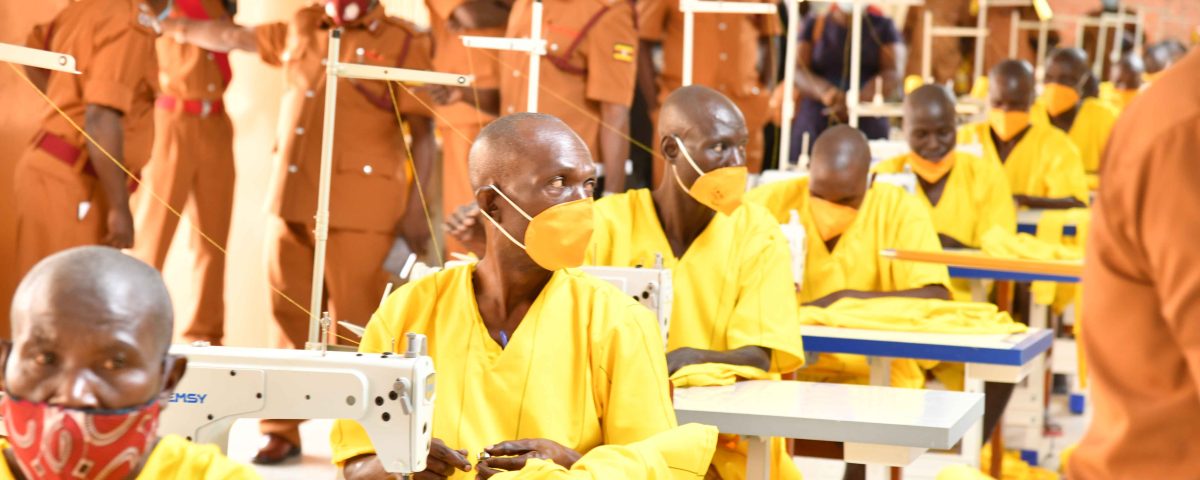
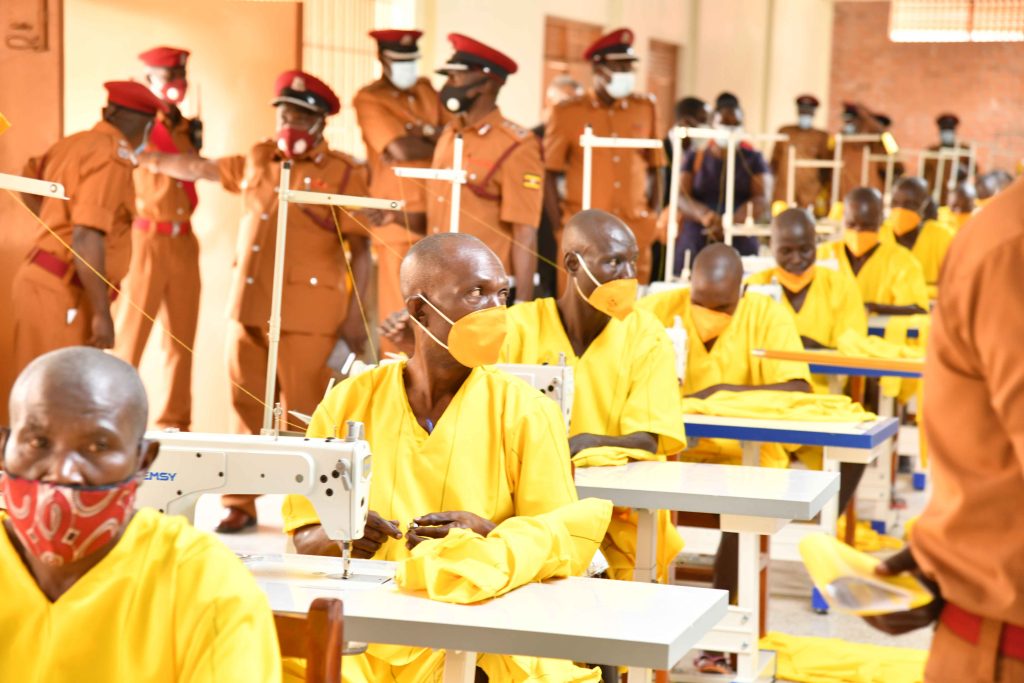
File photo; Uganda prisons services
By: Innocent Atuganyira
More than 300 inmates at Masindi Government Prison have applied for plea bargains during a three-day plea bargain camp aimed at reducing the backlog of criminal cases.
The camp, which started on July 8 and ends on July 10, 2026, is handling 336 pending criminal cases, most of them capital offences. These include 100 murder cases, 54 aggravated robbery cases, 45 defilement cases, 36 rape cases, and nine aggravated trafficking cases.
The exercise is led by Justice Jane Okwo Kajuga, the Judiciary’s Plea Bargain Focal Judge, alongside Justice Prof. Andrew Khaukha, the Alternative Dispute Resolution (ADR) Focal Judge and Executive Director of the Judiciary Training Institute.
Other judicial officers participating include Justice Mary Babirye, Resident Judge of Masindi High Court; Justice Vincent Opyene, Resident Judge of Hoima High Court; Justice Johnson Karemani, Resident Judge of Kiboga High Court; and Masindi Chief Magistrate Gumtwero Olal, who is handling committals for capital cases that had not yet been forwarded to the High Court.
According to Senior Principal Magistrate for ADR, Daniel Bwambale, the Masindi plea bargain camp is among the largest ever conducted for capital offences. By the close of business on the first day, judges had already disposed of 83 cases.
The Registrar of Masindi High Court, Juliet Nakitende, said the court is handling 336 pending criminal cases and urged residents of Masindi and the wider Bunyoro sub-region to embrace Alternative Dispute Resolution as a faster and more efficient means of resolving disputes.
Registrar of the Judiciary’s Alternative Dispute Resolution Registry, Justine Atukwasa, said plea bargaining has become an effective tool in improving access to justice. She revealed that more than 10,000 cases were concluded through plea bargaining across the country during the last financial year.
Mediators Warned Against Extorting Parties
Meanwhile, Atukwasa met court-annexed mediators from Masindi and Hoima at Masindi High Court to assess the number of active, trained and accredited mediators and discuss strategies for strengthening mediation services.
She described mediation as a fast, affordable and relationship-preserving method of resolving disputes, noting that it promotes lasting peace by enabling parties to reach mutually acceptable solutions.
Atukwasa warned mediators against demanding money from parties involved in disputes, stressing that mediation services must be conducted within the law and that any facilitation from litigants should only be voluntary after successful resolution of a case.
She cautioned that charging parties for mediation services constitutes misconduct and could lead to the cancellation of a mediator’s accreditation. She also directed court registries to maintain proper records of all cases resolved through mediation.
Former Bishop of Masindi-Kitara Diocese, Rt. Rev. George William Kasangaki, called on the Judiciary to strengthen mediation by providing mediators with adequate training, the ADR policy and mediation guidelines.
The Chairperson of Court-Annexed Mediators in the region, Rev. John Kitalibara, said mediation is increasingly being embraced as the quickest way to resolve disputes, particularly land conflicts that continue to fuel family and community tensions.
He, however, expressed concern that some judicial officers frustrate the mediation process and appealed for more training for both lawyers and judicial officers to fully support Alternative Dispute Resolution.