- Have any questions?
- +256 750 878872
- info@paidhafm.com


MPS CALL FOR INCREASED NUSAF IV FUNDING FOR HOUSEHOLD LIVELIHOODS

TELECOM COMPANIES DENY DEMANDING GUARANTORS FOR MOBILE LOANS
September 17, 2026
GOVERNMENT TO DEMARCATE KOBOKO AIRFIELD AS PLANS FOR REVIVAL TAKE SHAPE
September 21, 2026MPS CALL FOR INCREASED NUSAF IV FUNDING FOR HOUSEHOLD LIVELIHOODS
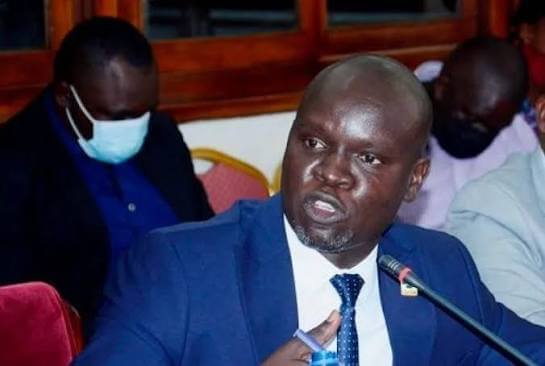
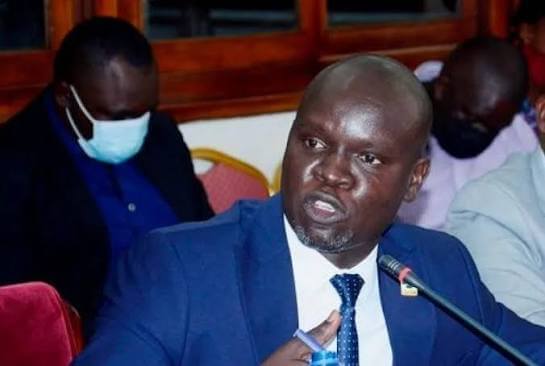
Committee Chairperson Martin Ojara Mapenduzi
By: Sarah Achen
Members of Parliament on the Presidential Affairs Committee have called on the Office of the Prime Minister (OPM) to increase funding for livelihood and household income-generating programmes under the fourth phase of the Northern Uganda Social Action Fund (NUSAF IV).
The call followed a briefing by officials from the Office of the Prime Minister, led by the State Minister for Northern Uganda, Sam Engola, who informed the committee that US$137 million has been allocated to livelihood programmes, while US$100 million will be directed towards safety-net interventions.
Committee Chairperson Martin Ojara Mapenduzi questioned the distribution of funds, arguing that greater resources should be channeled towards programmes with a direct impact on household incomes.
Mapenduzi said some funds could be reallocated from components with limited direct benefits to communities and instead invested in initiatives that enable households to establish sustainable sources of income. He said this would be consistent with President Yoweri Museveni’s emphasis on improving household incomes.
The committee chairperson also cited lessons from the implementation of NUSAF I and II, noting that a substantial share of the funds was invested in infrastructure development rather than directly supporting household income-generating activities.
Meanwhile, Oyam South Member of Parliament Patrick Ogwang Obura has proposed increasing the amount allocated to individual households under NUSAF IV.
Ogwang wants the planned household grant increased from US$300 to US$500, arguing that the additional funding would give beneficiaries greater capacity to establish viable and sustainable income-generating projects.
The MPs say prioritizing household livelihoods under NUSAF IV would help beneficiaries build sustainable sources of income and improve their economic resilience.