- Have any questions?
- +256 750 878872
- info@paidhafm.com


OIL PRICE FLUCTUATIONS COULD AFFECT UGANDA’S PROJECTED PETROLEUM REVENUES

ZOMBO COUNCIL RECOMMENDS RECONSTRUCTION OF FOUR PRIMARY SCHOOLS
September 22, 2026
SEVEN ARRESTED IN PAKWACH OVER ALLEGED EXTORTION OF FISHERMEN AND TRADERS
September 22, 2026OIL PRICE FLUCTUATIONS COULD AFFECT UGANDA’S PROJECTED PETROLEUM REVENUES
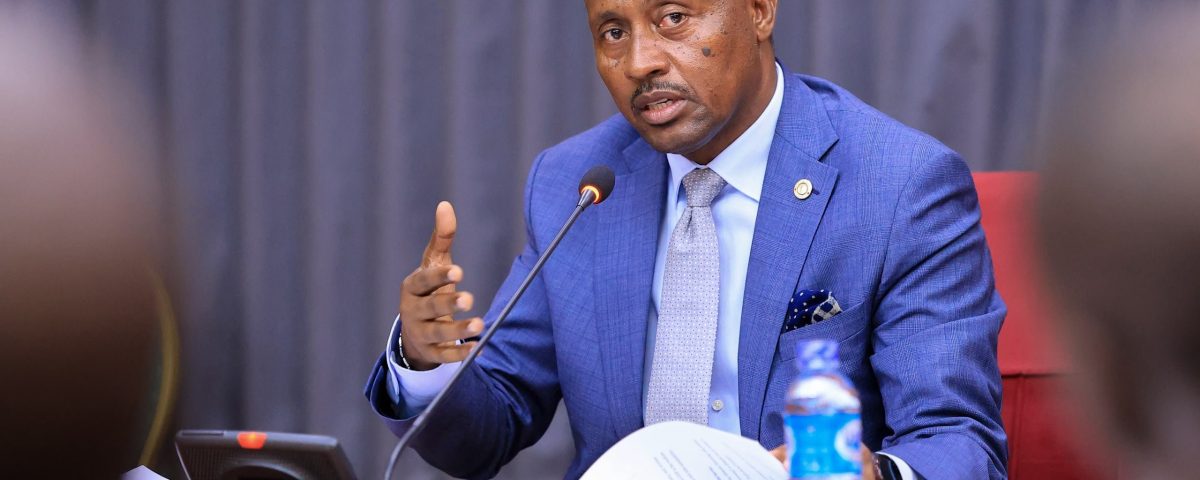
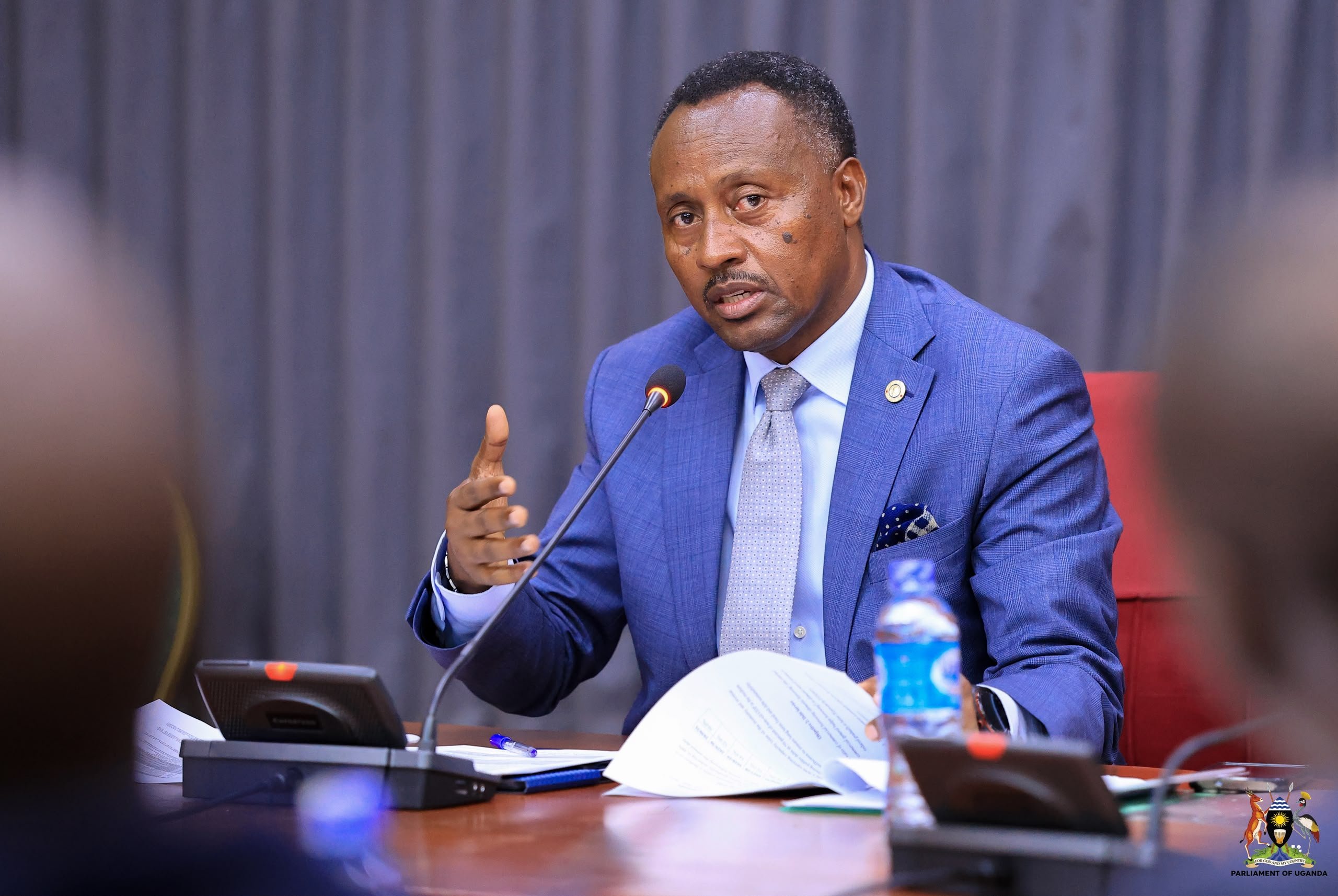
Parliament’s Budget Committee, Chairperson, Amos Kankunda
By: Sarah Achen
The Petroleum Authority of Uganda (PAU) has warned that fluctuations in international crude oil prices and uncertainty over future production levels could affect Uganda’s projected petroleum revenues.
The Acting Executive Director of the Petroleum Authority of Uganda, Michael Otonga Ochan, told Parliament’s Budget Committee, chaired by Rwampara County MP Amos Kankunda, that government is currently basing its petroleum revenue projections on an assumed crude oil price of about US$50 per barrel.
Ochan said a sustained decline in international oil prices to below US$35 per barrel could create concerns about the revenue projections. He also pointed to geological and reservoir-performance risks that could affect the volume of oil ultimately recovered from Uganda’s fields.
However, Ochan said drilling and evaluation activities have confirmed significant volumes of oil in Uganda’s reservoirs. He said the application of current technology is expected to support oil recovery, while the presence of multiple reservoirs could help reduce the impact of lower-than-expected production from any single reservoir.
The Authority also told the committee that about US$3.2 billion in recoverable costs had been confirmed as of 2023. The figure is expected to increase as audits of costs incurred in subsequent years continue.
According to Ochan, oil companies will recover their approved costs within the limits provided for under the Production Sharing Agreements (PSAs). This means the costs will be recovered over a period rather than in a single payment, an arrangement that has been factored into government’s petroleum revenue projections.
Ochan also called for the establishment of the Investment Advisory Committee provided for under Uganda’s public finance management framework. He said the committee should guide decisions on the investment; withdrawal and reporting of petroleum revenues once oil proceeds begin flowing to government.
He urged government to constitute the committee before petroleum revenues start coming in, saying this would help ensure that the funds are invested in accordance with the law rather than remaining idle.
The Acting Executive Director further disclosed that government has engaged the International Monetary Fund (IMF) over possible improvements to the legal framework governing petroleum revenue management. He said the discussions were still ongoing and had not reached a stage where specific legal amendments could be confirmed.
During the meeting, Kankunda, who is also the MP for Rwampara County, said the refinery was intended to support local production and give Uganda greater control over domestic petroleum prices.
UPDF representative Brig. Gen. David Robert Gonyi urged government to expedite the development of the oil sector, saying Uganda could also benefit from exporting crude oil to markets in the Middle East.
Kapchorwa Municipality MP Patrick Kitiyo Solimo and Youth Western MP Mwine Tumwebaze questioned when Uganda would begin producing its first oil, noting that many Ugandans are eagerly awaiting the start of commercial production.