- Have any questions?
- +256 750 878872
- info@paidhafm.com

WOMEN WITH DISABILITIES BENEFIT FROM INCLUSIVE LIVELIHOOD PROJECT IN RHINO CAMP

FORMER ARUA LC V CHAIRPERSON, SON REMANDED OVER ALLEGED THEFT OF DISTRICT MOTORCYCLE
November 4, 2026
HIGH COURT UPHOLDS ONGIERTHO’S ELECTION AS NEBBI MUNICIPALITY MP
November 5, 2026WOMEN WITH DISABILITIES BENEFIT FROM INCLUSIVE LIVELIHOOD PROJECT IN RHINO CAMP
By: News Editor
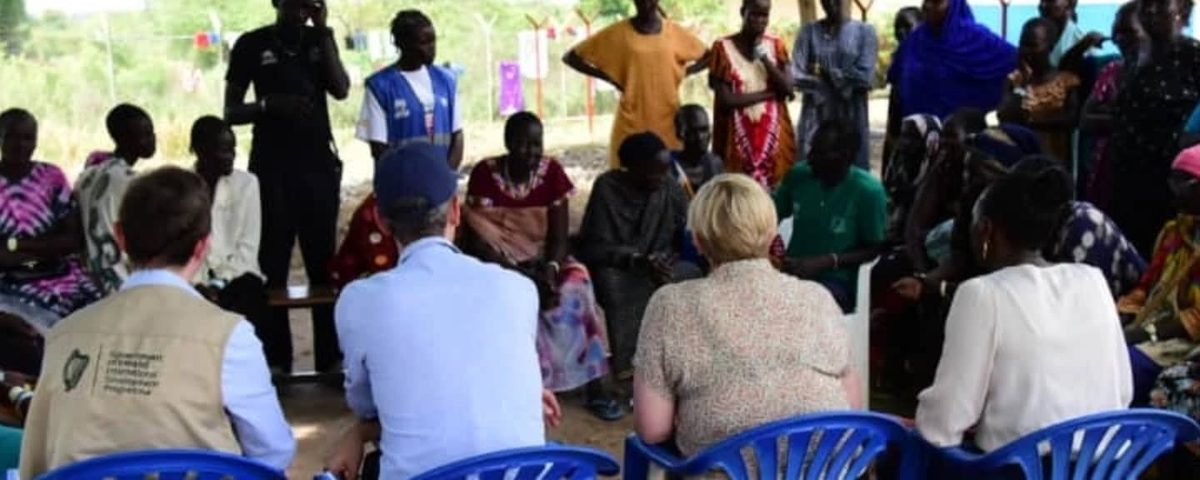
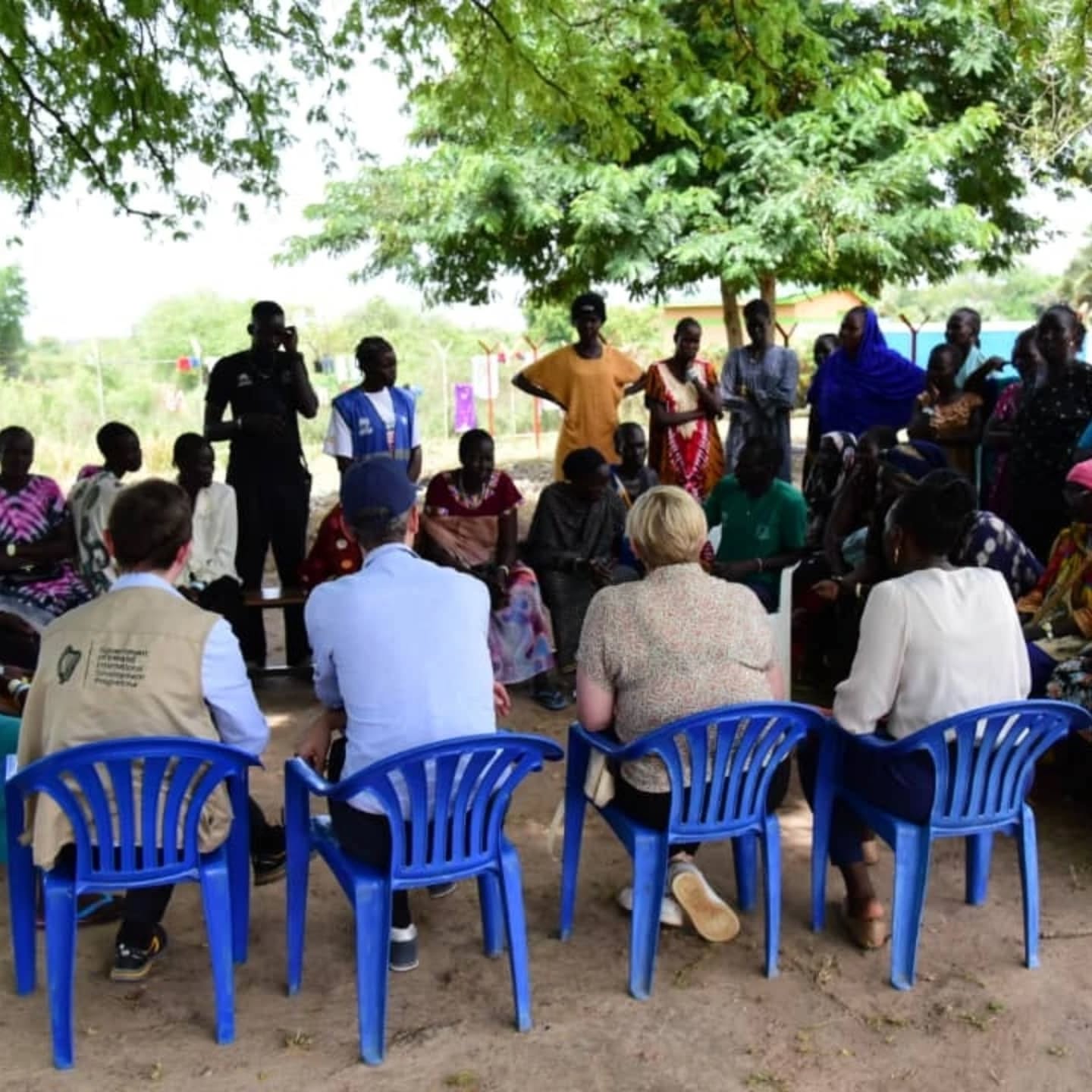
Women refugees with disabilities in Rhino Camp Refugee Settlement are rebuilding their livelihoods and strengthening their families’ economic resilience through poultry keeping, farming and other income-generating activities under an inclusive livelihood project supported by the Danish Association of the Disabled.
The four-year pilot Inclusive Livelihood Project, launched in 2023, seeks to empower refugees with disabilities in Ocea and Omugo zones, as well as persons with disabilities in host communities in Terego and Madi-Okollo districts.
The initiative is helping beneficiaries, particularly women with disabilities, acquire practical skills to improve household incomes, food security and economic independence in communities where persons with disabilities often face barriers to accessing livelihood opportunities.
Balla Simon Elisa, a South Sudanese refugee, says the skills acquired through the project have enabled him to diversify his income sources, improve his family’s nutrition and meet his children’s educational needs.
Through poultry keeping and kitchen gardening, Balla has improved his family’s welfare. He says he initially started with eight birds but has since increased his flock to 17 after selling some and reinvesting the proceeds in additional poultry. He has also ventured into vegetable growing, selling part of his harvest and using the remainder to feed his family.
Balla is among 450 households headed by persons with disabilities benefiting from the project.
Beneficiaries have received training in business management, the rights of persons with disabilities, poultry keeping, beekeeping and other livelihood activities aimed at promoting economic independence.
Beyond economic empowerment, the project has also equipped persons with disabilities, particularly women in Terego and Madi-Okollo districts, with skills to advocate for their rights and demand inclusion in government programmes and other community-based interventions.
Terego District Chairperson Wilfred Saka says initiatives targeting persons with disabilities are critical in helping them overcome the vulnerabilities and economic challenges they face in their communities.
Saka says the ability of beneficiaries to produce and sell agricultural products demonstrates the potential of such interventions to promote self-reliance.
The need for expanded interventions is particularly evident in Terego District, which had 5,713 persons with disabilities as of 2022, according to data obtained from the Terego District Union of Persons with Disabilities and compiled by Humanity & Inclusion.
However, women with disabilities in refugee communities face overlapping challenges linked to gender, disability and displacement, which can limit their access to humanitarian assistance, economic opportunities and participation in community decision-making.
Research by the Norwegian Refugee Council on refugee experiences and gender dynamics in Uganda has highlighted how gender inequalities and disability-related barriers can affect refugees’ access to essential services, protection and livelihood opportunities.
Ulla Trojmer, Chairperson of the Global Corporation Committee at the Danish Association of the Disabled (Dansk Handicap Forbund), says the project has registered commendable progress, particularly in improving the livelihoods of women refugees with disabilities and persons with disabilities in host communities.
Mukasa Apollo, Executive Director of the Uganda National Action on Physical Disability (UNAPD), says many interventions under refugee response programmes do not directly target persons with disabilities, leaving them largely excluded from opportunities designed to improve the welfare of vulnerable communities.
The project is implemented by a consortium of three organisations led by UNAPD, in partnership with LMI Uganda and the Uganda National Association of the Blind (UNAB).