- Have any questions?
- +256 750 878872
- info@paidhafm.com


FEAR AND SILENCE: SEXUAL HARASSMENT STILL PERVASIVE IN MEDIA ORGANIZATIONS WORLDWIDE

May 20, 2026

OBOTH-OBOTH ELECTED SPEAKER OF UGANDA’S 12TH PARLIAMENT
May 25, 2026FEAR AND SILENCE: SEXUAL HARASSMENT STILL PERVASIVE IN MEDIA ORGANIZATIONS WORLDWIDE
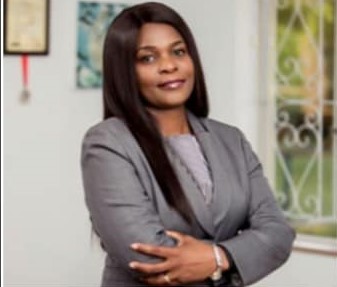
Susan Makore Managing Director, WAN-IFRA Women in News
By: Rose Kasigwa
A new multi-country study on sexual harassment in media workplaces across 21 countries has found that the majority of cases continue to go unreported, underscoring persistent structural and cultural challenges within the industry.
Released today May 21,2026 by WAN-IFRA Women in News, City St George’s, University of London, and BBC Media Action, the study reveals that sexual harassment remains a widespread issue in media organizations worldwide, with nearly one in three respondents reporting having experienced some form of harassment.
The research is based on responses from more than 2,800 media employees, making it one of the most extensive datasets on sexual harassment in newsroom environments to date. Participants represented a broad spectrum of media roles, including journalism, administration, human resources, production, marketing, and management, providing a comprehensive view of workplace experiences across the sector.
Conducted in 21 countries across Sub-Saharan Africa, the Arab region, Southeast Asia, and Ukraine, the 2025 study found that an average of 29% of media professionals reported experiencing sexual harassment.
Despite the prevalence of harassment, reporting rates remain low. Across all genders, 69% of respondents who experienced harassment said they did not report the incidents. The findings mirror trends identified in previous studies and highlight continuing barriers to reporting. Among those who did report cases, organizations took action in only 65% of instances, with responses often limited to informal or minimal measures.
The study identifies fear of retaliation, lack of trusted reporting mechanisms, and limited confidence in organizational responses as key factors contributing to underreporting. Researchers say these findings reflect broader structural weaknesses in accountability and response systems within media workplaces.
Progress Remains Slow and Uneven
The research found that women are disproportionately affected by sexual harassment in media workplaces. Globally, women were 2.4 times more likely than men to experience verbal sexual harassment and 1.8 times more likely to face online sexual harassment.
While experiences of physical harassment and rape were reported at lower levels, the study notes that they remain serious and persistent threats. A quarter of all respondents reported experiencing physical harassment, while 5% of women and 4% of men identified themselves as rape survivors.
Researchers also highlighted a continuing gender gap in participation and reporting. Lower response and reporting rates among men suggest that sexual harassment is still widely viewed primarily as a women’s issue, despite its wider implications for newsroom culture, workplace safety, power dynamics, and the integrity of journalism.
Regional Disparities Highlight Ongoing Challenges
The study builds on earlier research conducted in 2018 and 2020, expanding coverage to countries not previously included, such as Ukraine, Sierra Leone, Bangladesh, Ethiopia, Somalia, and South Sudan. The expanded scope strengthens the global evidence base on sexual harassment within media workplaces.
Findings reveal notable regional differences. Reported prevalence rates were highest in Africa at 33% and the Arab region at 31%, compared with 19% in Southeast Asia and 12% in Ukraine, which was included in the study for the first time in 2025.
Dr. Lindsey Blumell City St George’s, University of London said sexual harassment continues to have profound effects on both individuals and newsroom environments.
“Sexual harassment has a deeply negative impact on those who experience it and the general working atmosphere in newsrooms. Our research shows that, regardless of the form it takes, experiencing harassment decreases job satisfaction, increases the likelihood of leaving the industry, and contributes to significant mental and physical consequences for survivors. Underreporting reflects a lack of trust in reporting systems and signals a broader acceptance of violence in newsrooms.”
From Evidence to Action
The survey offers important insights into how workplace cultures within media organizations have evolved over the past five years, while also identifying areas where progress has stalled.
Researchers and media development experts say the findings point to urgent priorities for action, including stronger policies, improved training, survivor support systems, and collective engagement across the industry.
Valeria Perasso, Media Development Advisor at BBC Media Action said addressing sexual harassment is essential to newsroom governance and journalistic integrity.
“Addressing sexual harassment is not only a matter of individual protection, but also of newsroom governance and journalistic integrity. Unsafe and unequal workplace cultures create structural barriers that limit who can participate, lead, and shape editorial decisions. Ultimately, journalism suffers. We hope this report will help inform organizational action, leadership practices, and broader policy and advocacy efforts aimed at creating safer, more inclusive, and equitable media institutions.”
Susan Makore Managing Director, WAN-IFRA Women in News said the persistence of underreporting reflects deeper institutional challenges.
“When the majority of sexual harassment cases continue to go unreported, it signals a deeper failure of workplace culture, trust, and accountability. Sexual harassment in media is not an isolated workplace issue; it is a structural barrier that shapes who feels safe to participate, remain, and lead within journalism. Addressing it requires more than policies alone. Media organizations must invest in sustained awareness raising, training, and sensitization at all levels of the newsroom to strengthen reporting mechanisms, shift workplace culture, and ensure harassment is recognized, addressed, and never normalized. Safer and more equitable media workplaces are essential to building stronger, more inclusive, and resilient journalism.”